




Wine Etiquette: 10 Restaurant Wine Rules Every Woman Should Know
November 9, 2026
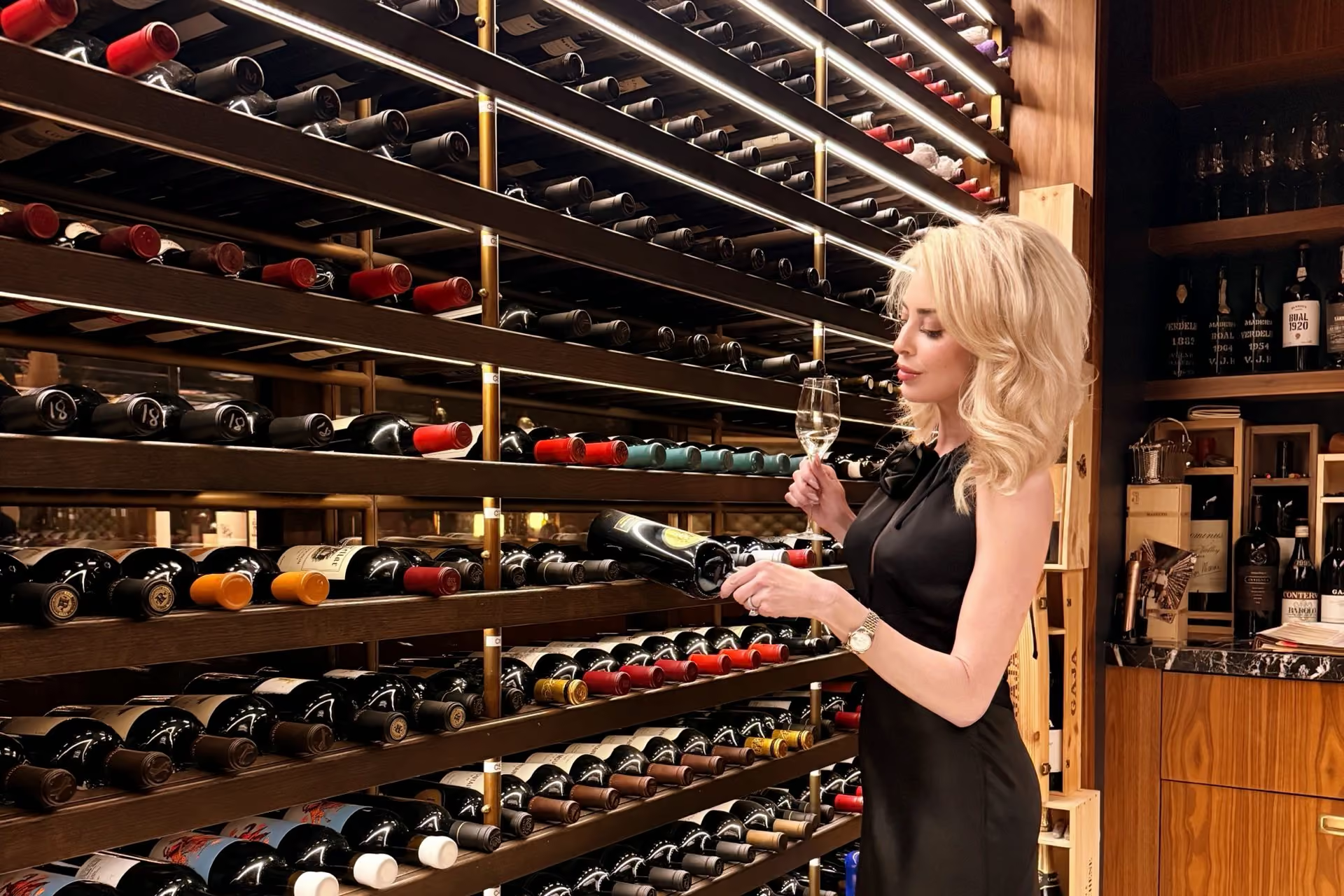

You know the moment. The sommelier pours a little wine into your glass, steps back, and waits. Everyone at the table looks at you.
As a sommelier, I see that pause every night, and I want every woman to meet it with ease. Wine elegance has nothing to do with knowing every vintage. It is a handful of small, graceful habits that make you look completely at home at the table.
Here are the ten I wish every woman knew, in the order you will meet them over the course of an evening.
Before the wine arrives
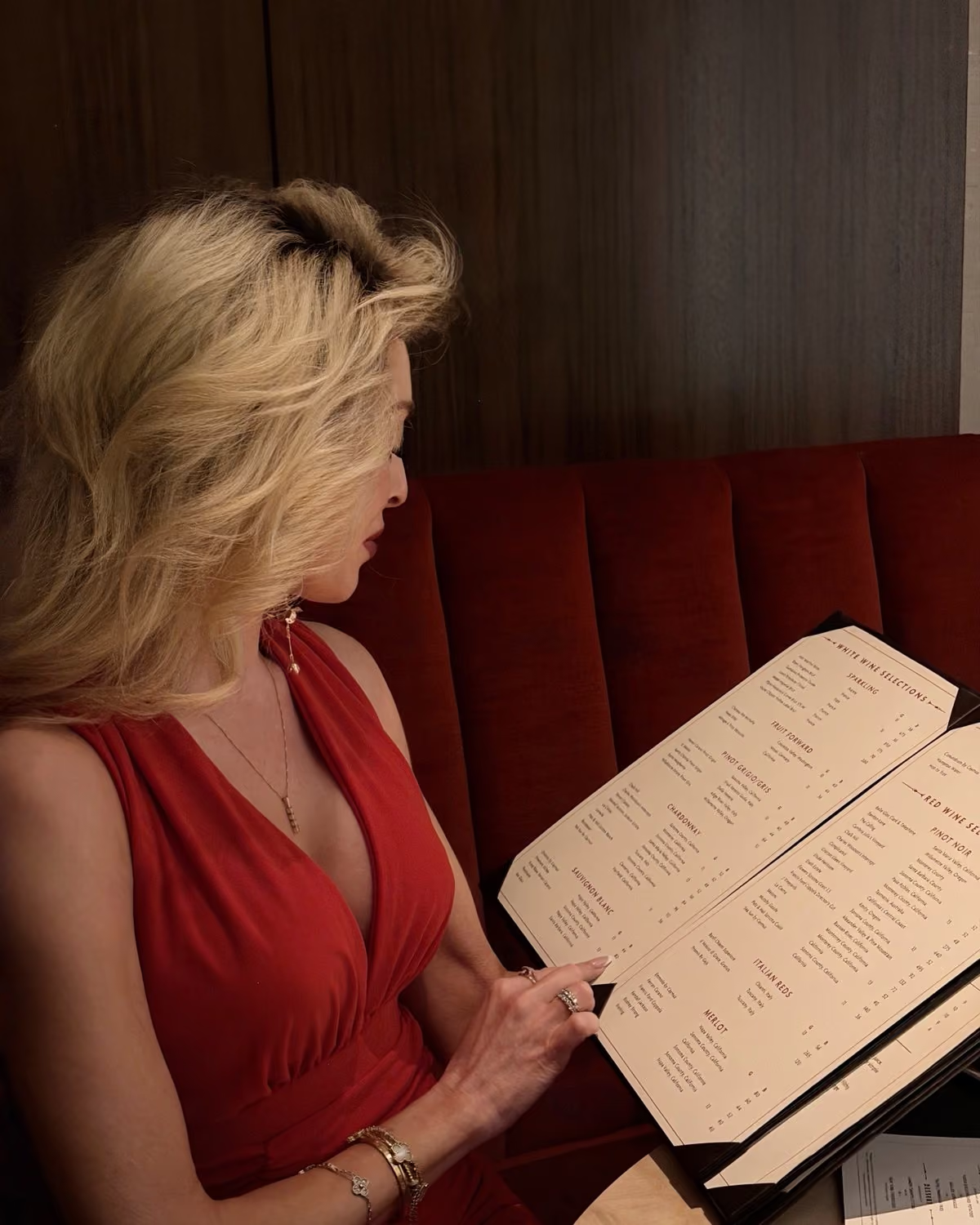
1. Point to the price, don’t say it aloud
When the sommelier comes to the table to help you choose, describe the style of wine you love, then point to a price on the wine list as you speak. Something like: “We love a rich, earthy red, something along these lines.” The sommelier will understand your range instantly, and your guests never hear a number. It is discreet, and it gets you a better bottle than guessing.
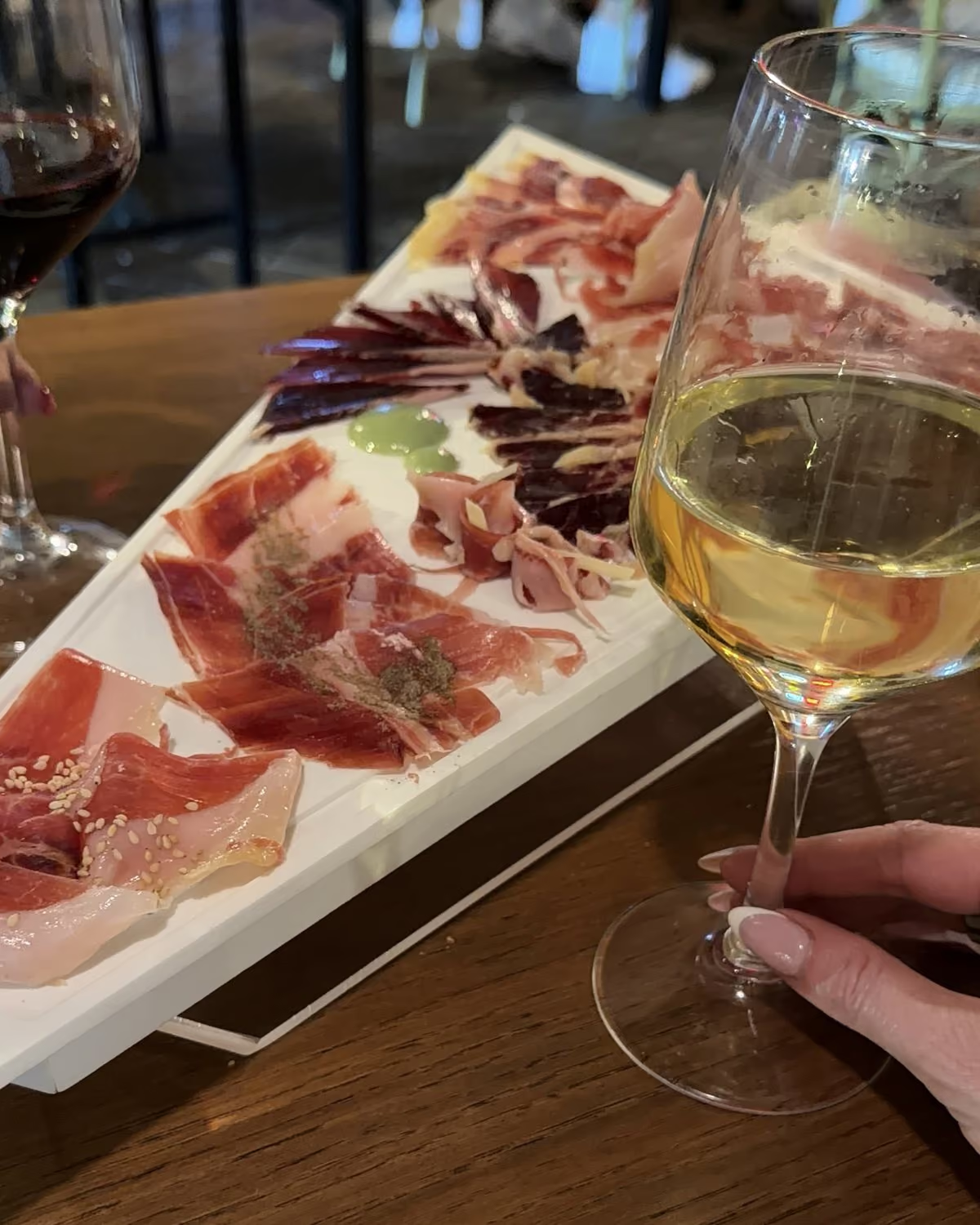
2. White before red, light before bold
Over the course of a meal, move from lighter wines to fuller ones: sparkling or crisp whites first, then richer whites, then reds. Each glass flatters the next, and your palate never feels overwhelmed.
Not sure what to order? A few of my go-tos:
- Sparkling, for any occasion. Whether it is an everyday evening or a special celebration, a glass to begin is always a lovely idea, and you can never go wrong with Champagne, made from Chardonnay, Pinot Noir and Pinot Meunier. For a more affordable bottle made the same traditional way, try Franciacorta from Lombardy (Chardonnay and Pinot Nero) or a French Crémant.
- For whites, think of Sauvignon Blanc as the mini black dress of wines. It is always appropriate. For something different that will impress your guests, order Vermentino, a bright coastal Italian white from Sardinia and Tuscany.
- For reds, think of Pinot Noir as the long black dress. It works every time. To explore beyond Pinot while keeping that lighter-bodied style, try Mencía from Bierzo in Spain, or Beaujolais, made from Gamay.
When the bottle is presented
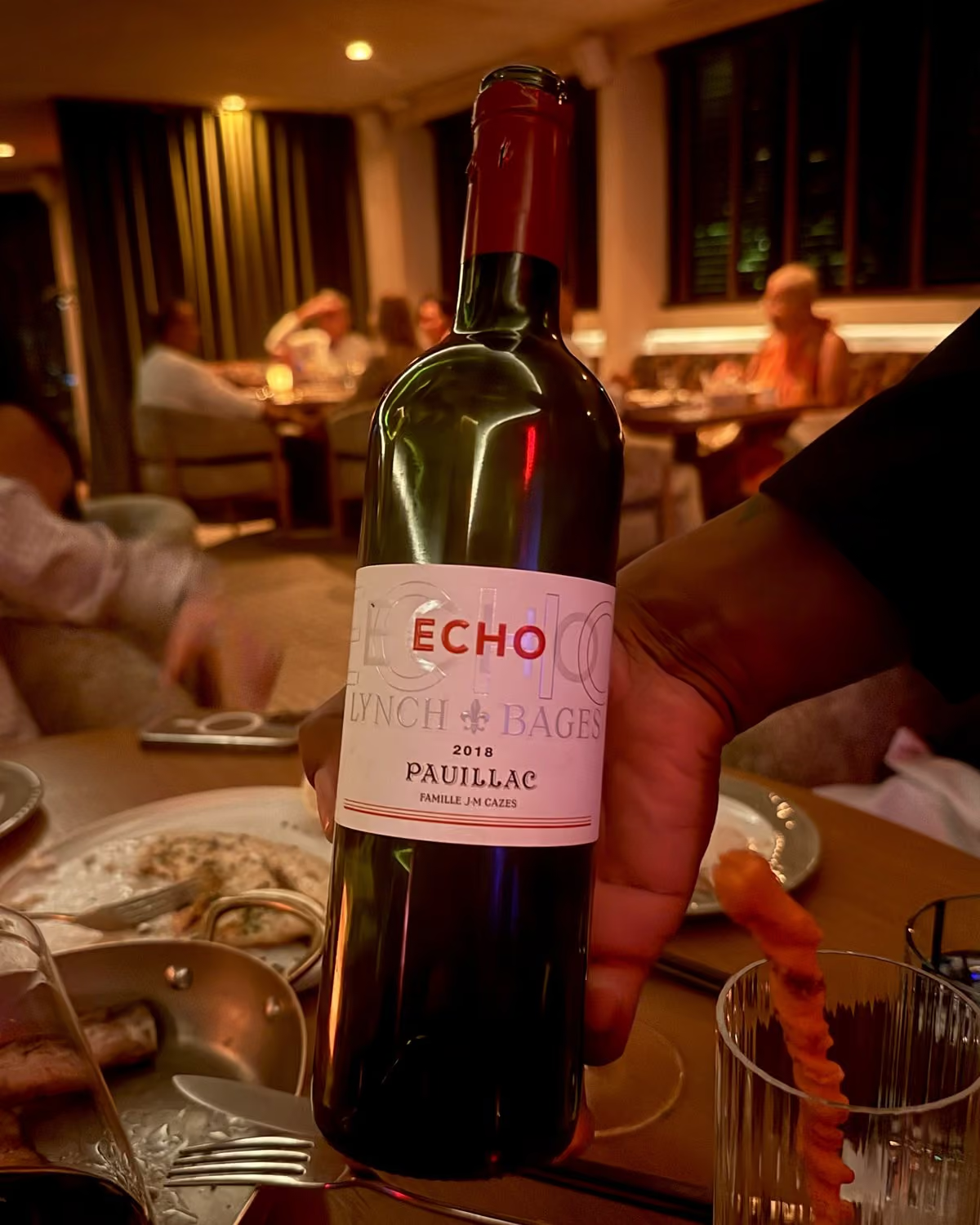
3. Check the label before it’s opened
When the bottle is shown to you, confirm the producer, the wine and the vintage match what you ordered. Vintages change on lists more often than you would think. A nod is all it takes.
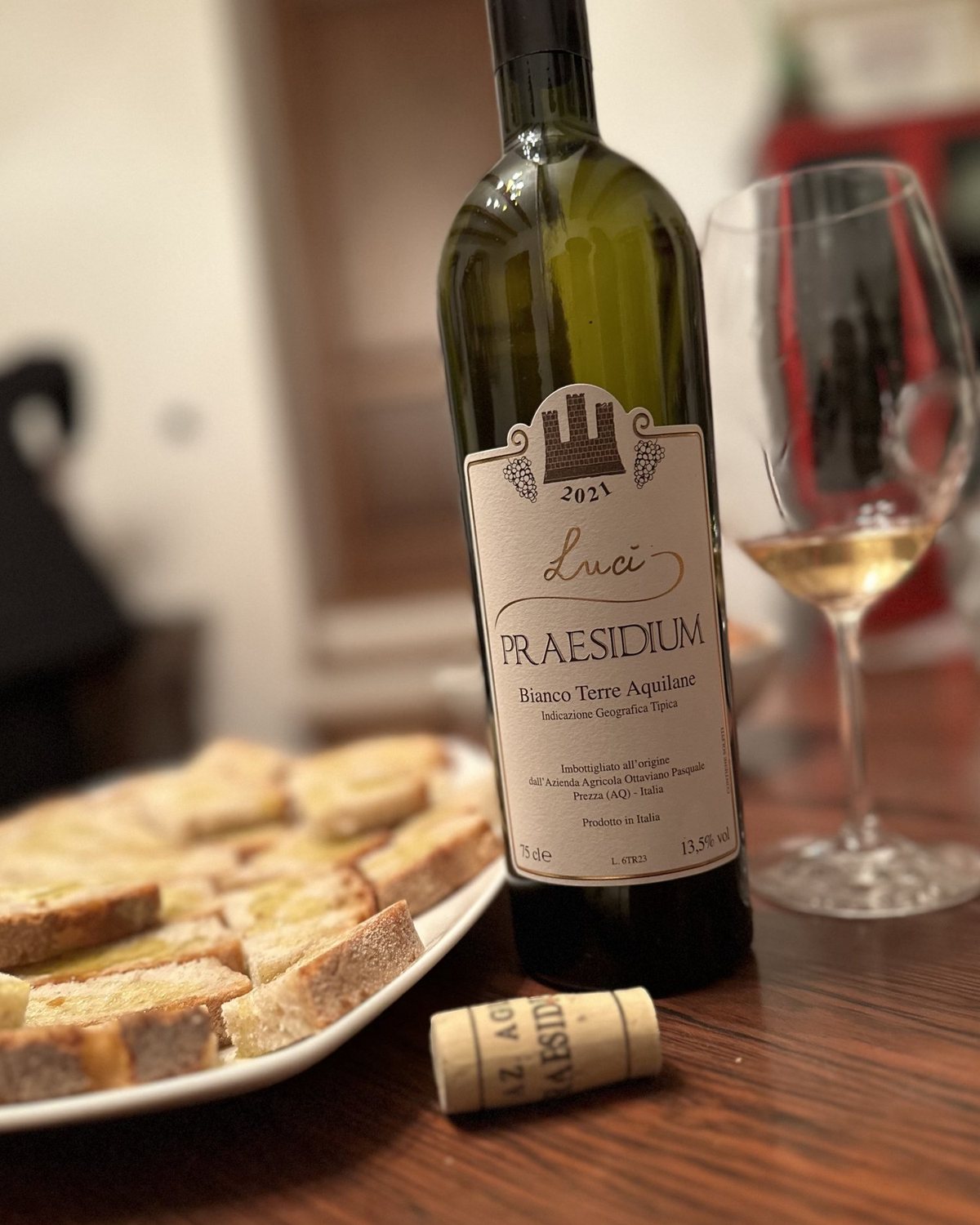
4. Let the cork tell its story
Once the cork is set beside you, a glance is usually enough. It should match the label and show no wine seeping up to the top, a sign the seal held. If you want to be sure it is still moist and in perfect condition, a gentle squeeze will tell you. Keep it as a memento if you like. There is no need to smell it; save your nose for the glass, which tells you far more.
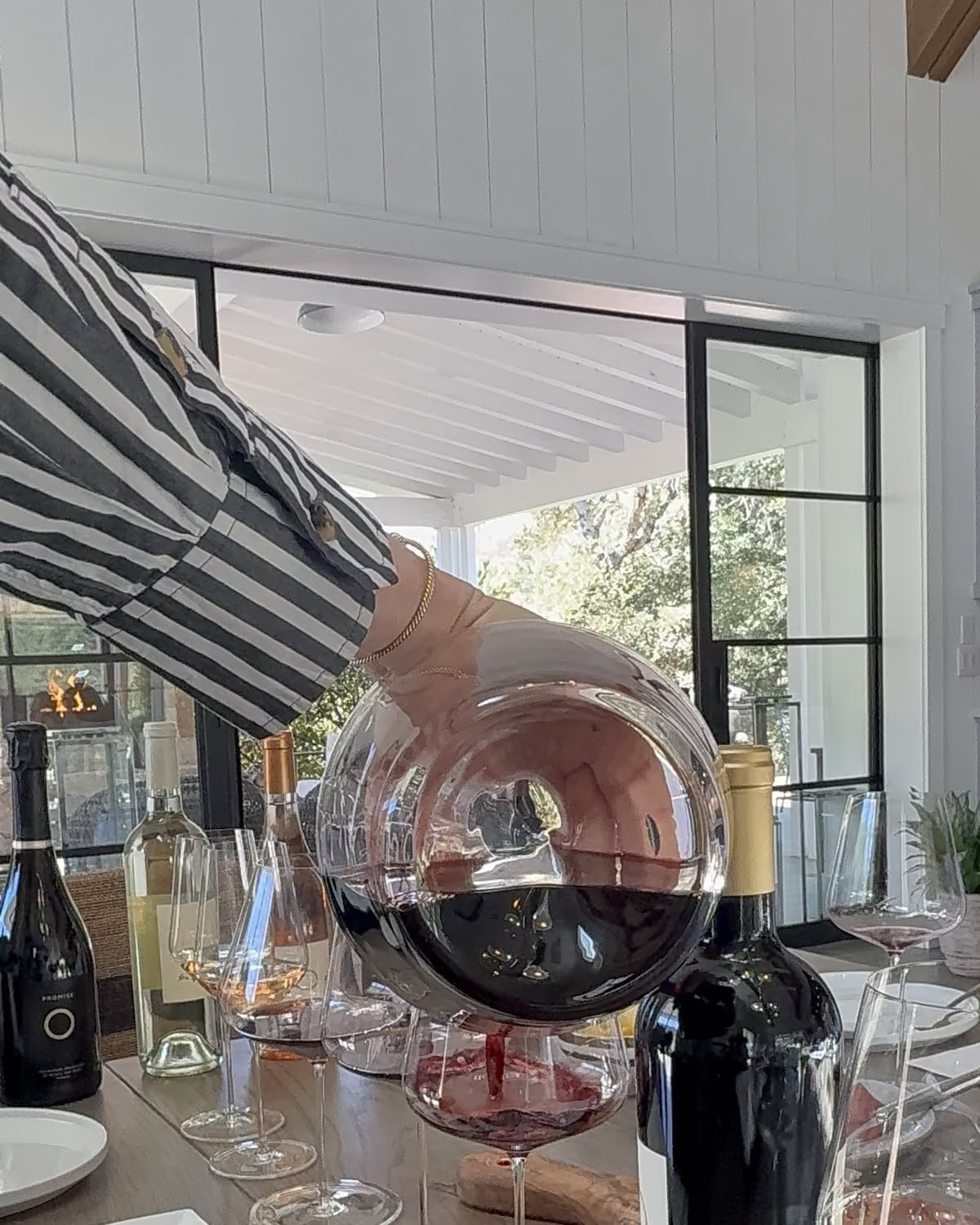
5. Ask for the wine to be decanted
If a wine needs more time to show its best character, don’t hesitate to ask. Decanting is not only for older vintages. Air helps a young, firm red open up more quickly, so you taste what the winemaker intended sooner in the evening. A young, tightly wound white can benefit too. It may look less glamorous in a decanter, but it will be far more expressive in the glass.
The first pour
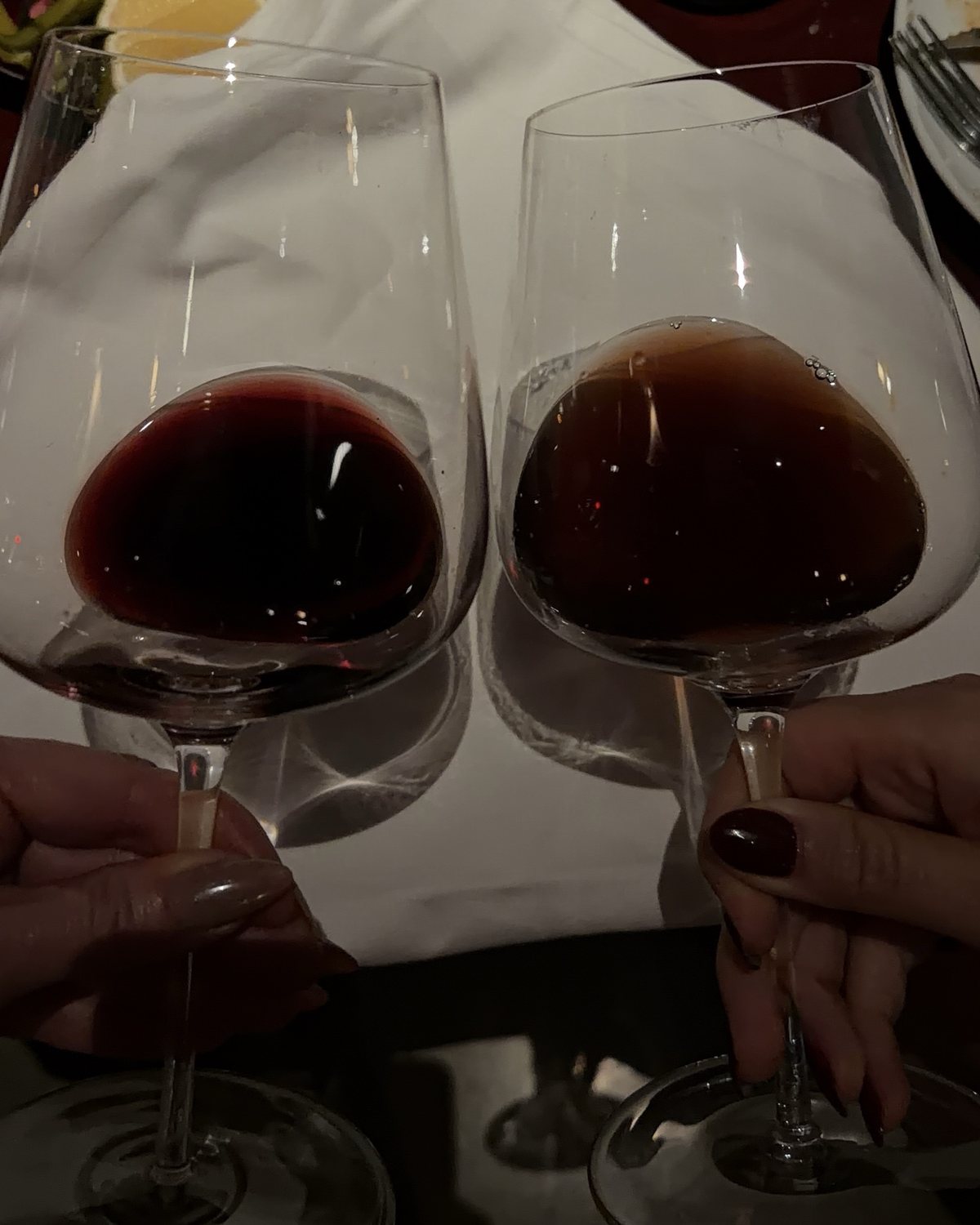
6. Check the color and clarity
Tilt the wine over a white tablecloth or napkin. The white background shows its true color and clarity at a glance. It should look clear and bright. In very old wines, some sediment is natural and nothing to worry about.
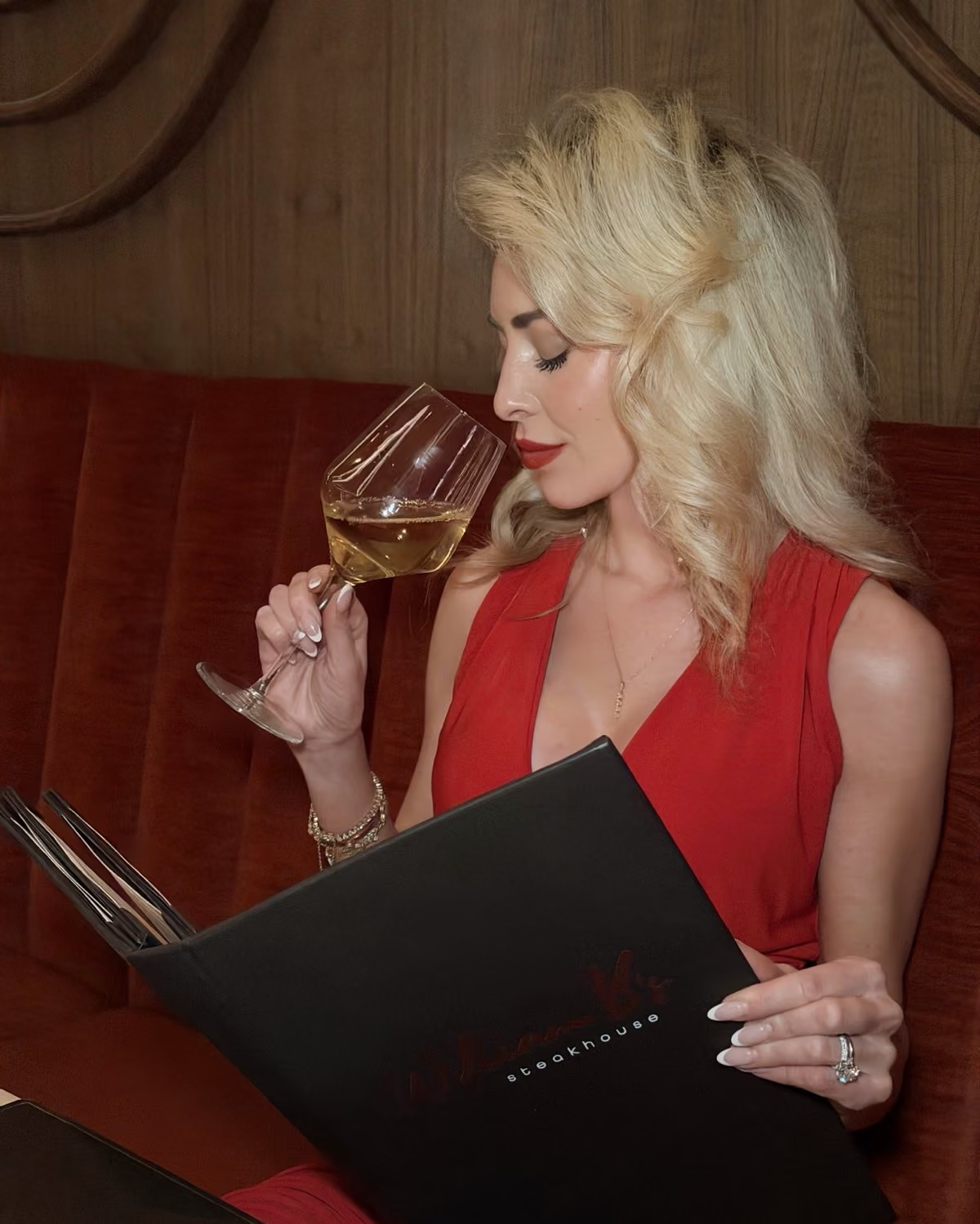
7. A quick sniff is all it takes
That small first pour is a check, not a verdict on whether you love the wine. A brief sniff confirms it is sound. If your nose is still in training, a small taste is perfectly appropriate.
If the wine smells like damp cardboard or a moldy, wet basement, it is flawed, and you should absolutely send it back. A wine that is drinking properly but simply isn’t to your taste is not a reason to return it, unless the sommelier recommended it and offered to find you something else if you didn’t love it.
Through the evening
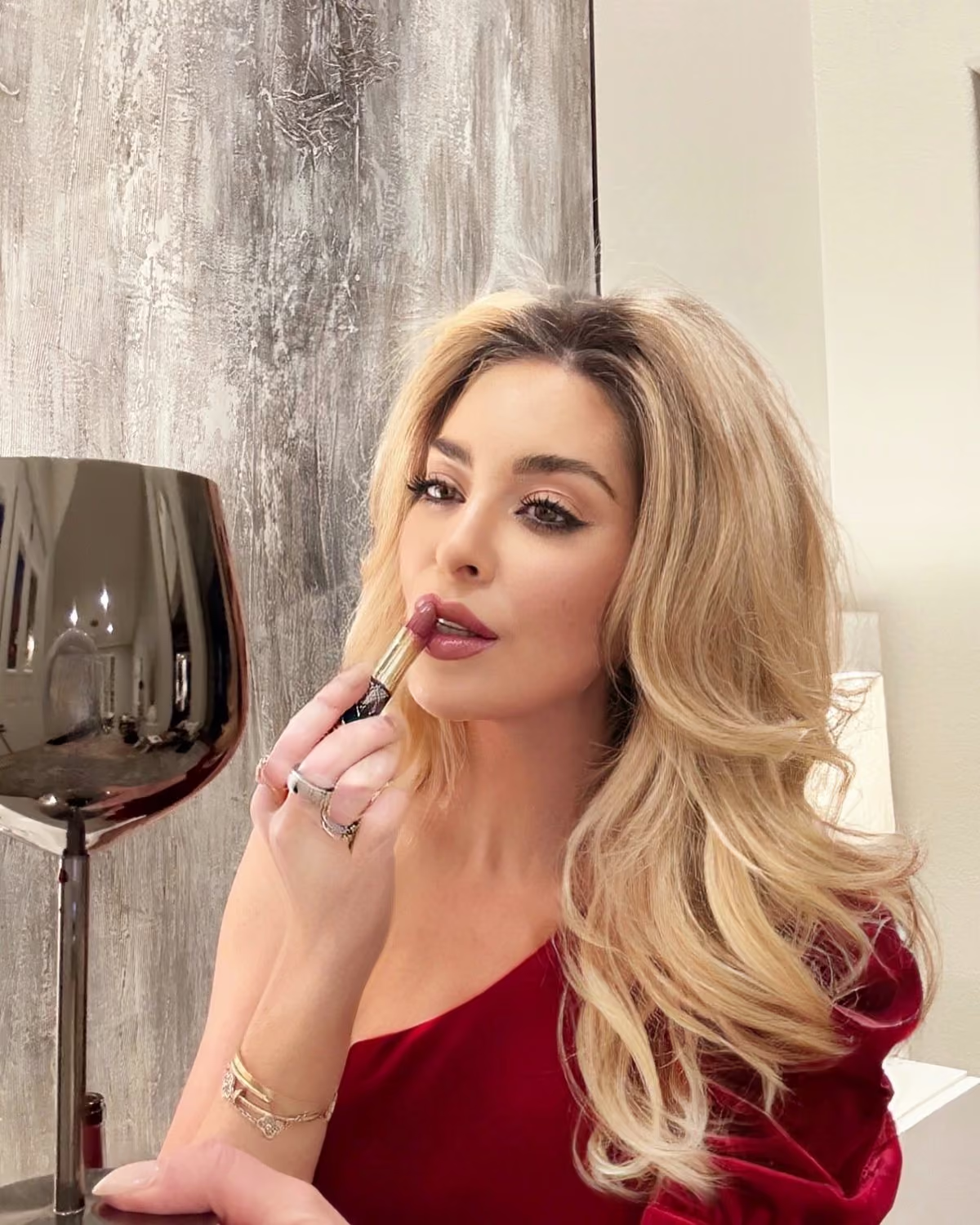
8. Blot your lipstick before sipping
A quick blot on your napkin before the first glass takes off the excess. Then return to the same spot on the rim each time, so your glass stays clean and lovely all night instead of ringed in color by dessert.
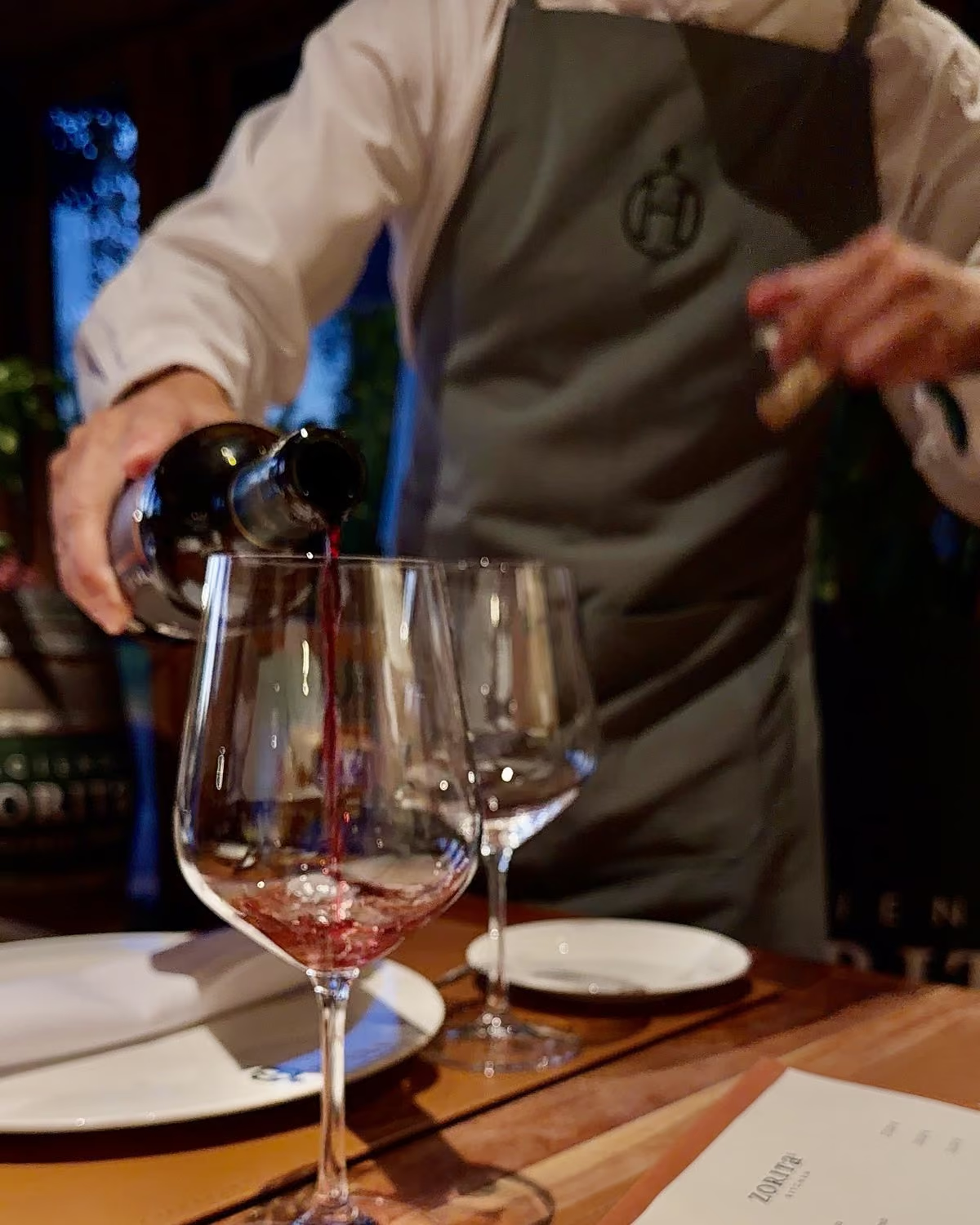
9. Let your server do the pouring
At a restaurant, leave the bottle to the staff, even when it is sitting right beside you. A proper pour fills about a third of the glass, which leaves room to swirl and lets the aromas gather.
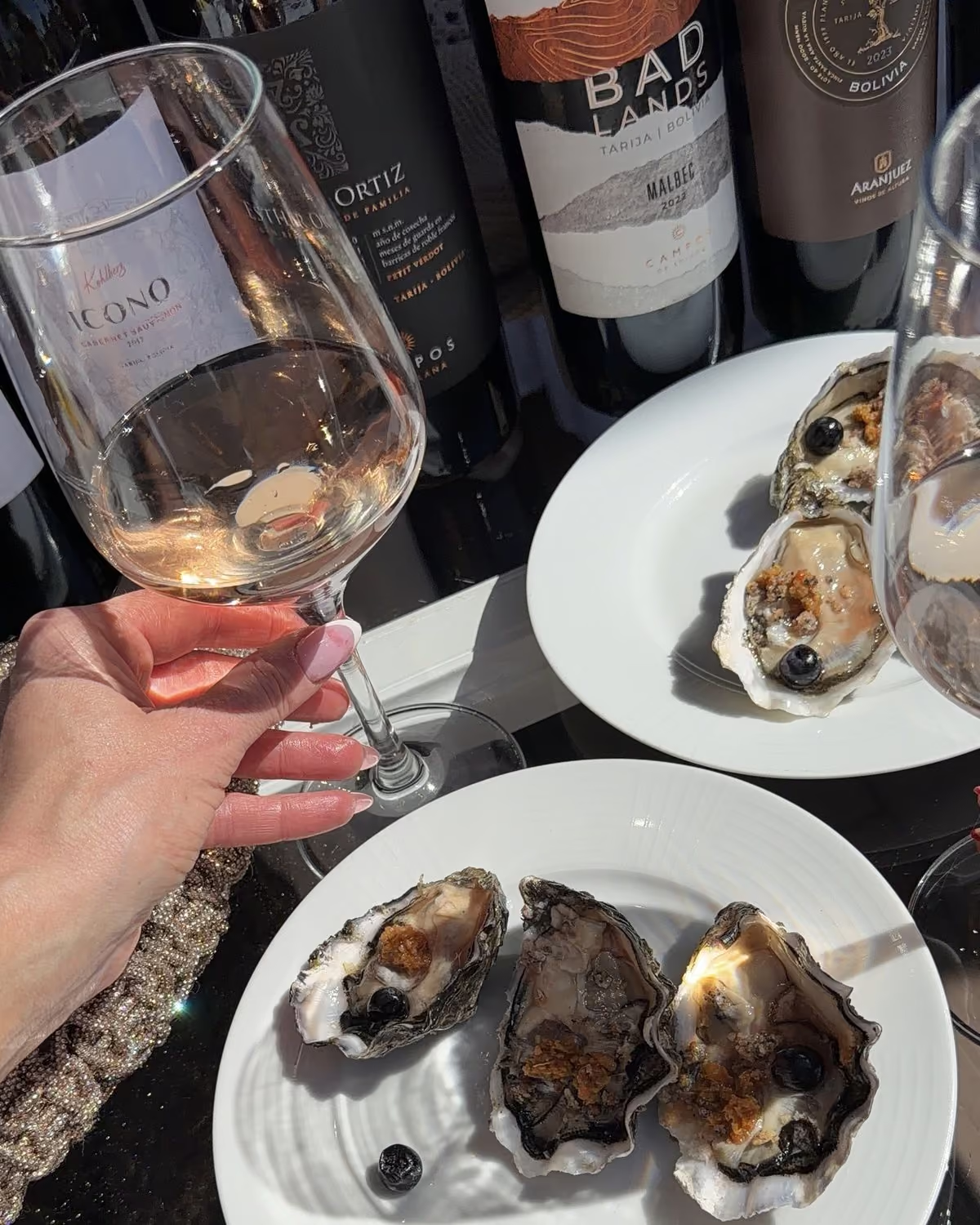
10. Hold the glass by the stem
It keeps fingerprints off the bowl and the warmth of your hand away from the wine, so it stays at its best temperature from the first glass to the last. It also simply looks beautiful.
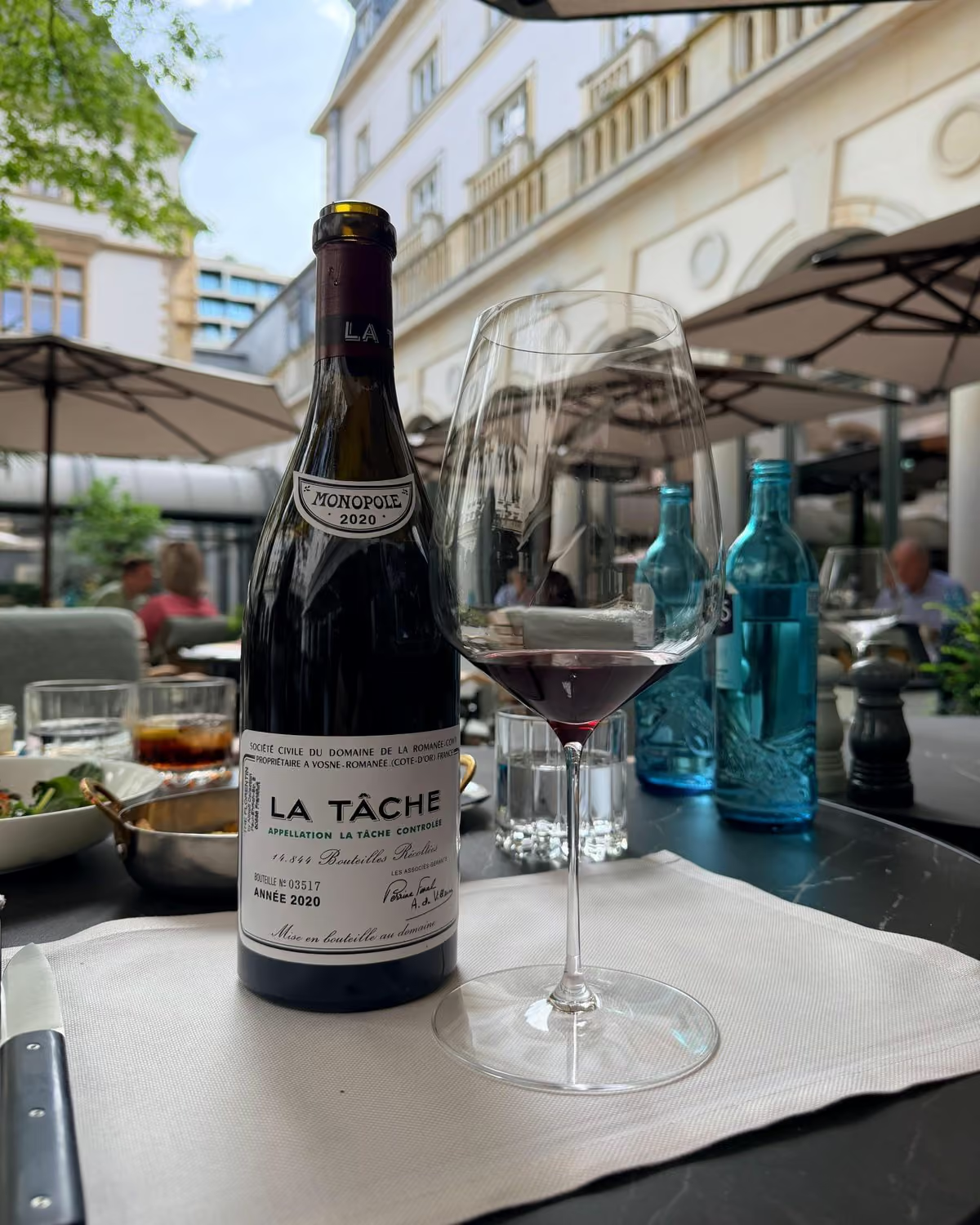
Elegance is in the details
None of these rules are about being precious. They are about feeling confident enough to relax and enjoy the wine, the food and the company in front of you.
Save this for your next reservation, and pass it on to the woman who always hands you the wine list.
Cheers,
Maria, The Wine Blonde
Follow along on Instagram @mariathewineblonde
The Art of Luxury Letter
Wine, travel, style, and curated experiences delivered to your inbox.
Be the first to know about upcoming experiences.
© Maria Valetta/Maria The Wine Blonde — full glass, high class, lots of sass
Chicago | 2026