




Abruzzo, Italy Travel Guide: Wineries, Restaurants & Hotels
November 7, 2026
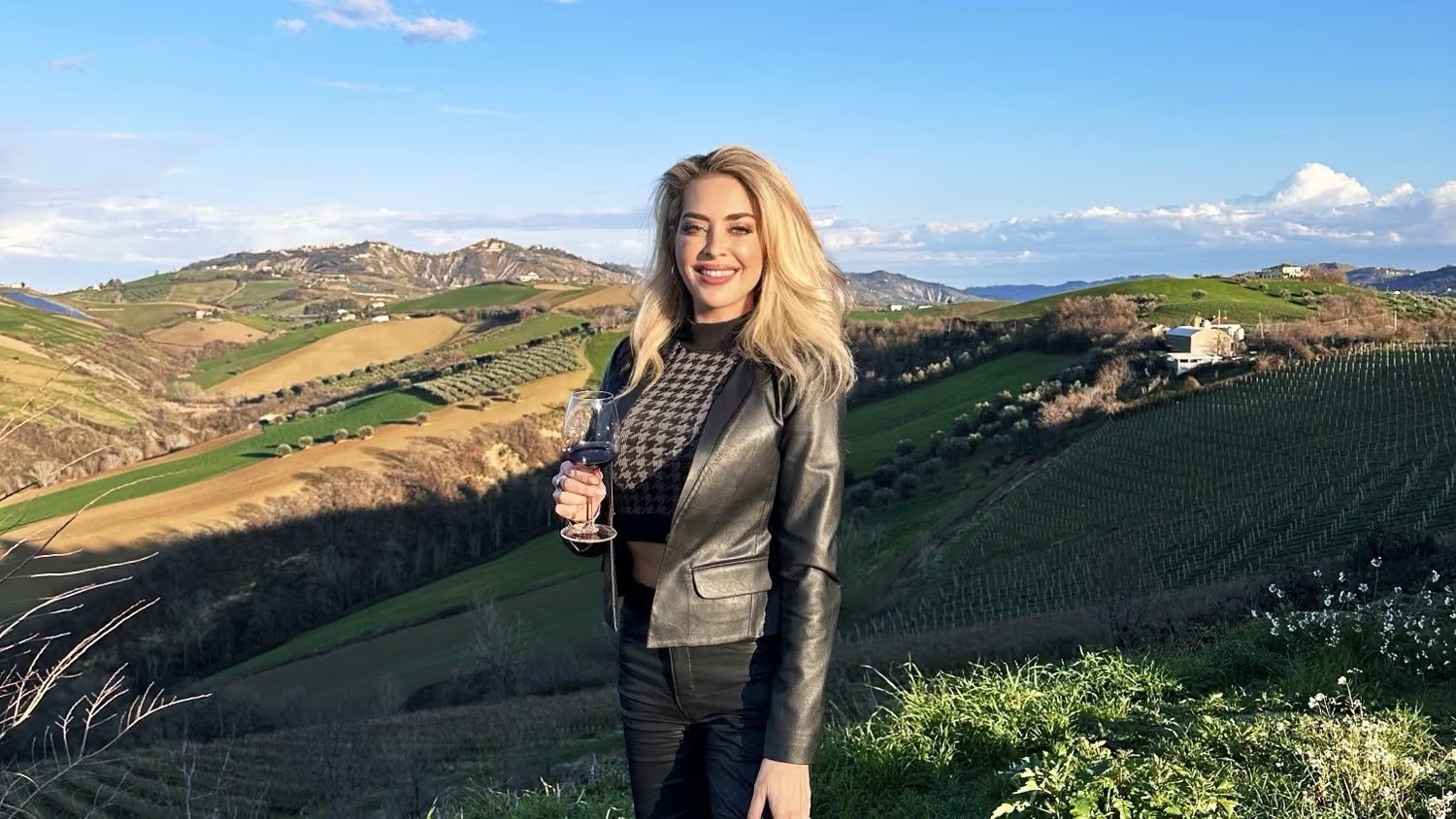

Everyone knows Tuscany. Almost no one talks about Abruzzo.
And honestly? That’s exactly the point.
Two hours from Rome, Abruzzo stretches from snowcapped mountains to Adriatic beach towns, with rolling vineyards, medieval hill towns, and family cellars that have been making wine for generations in between. It feels like the Italy people imagine before the tour buses arrive.
Consider this your insider’s guide to Abruzzo: where to taste, where to eat, where to stay, and what to pour.
This trip was hosted by the Consorzio Tutela Vini d’Abruzzo and The Charming Taste of Europe, with IEEM USA. As always, all opinions are my own. This post contains affiliate links. If you book through them, I may earn a small commission at no extra cost to you.
Why Abruzzo, and Why Now
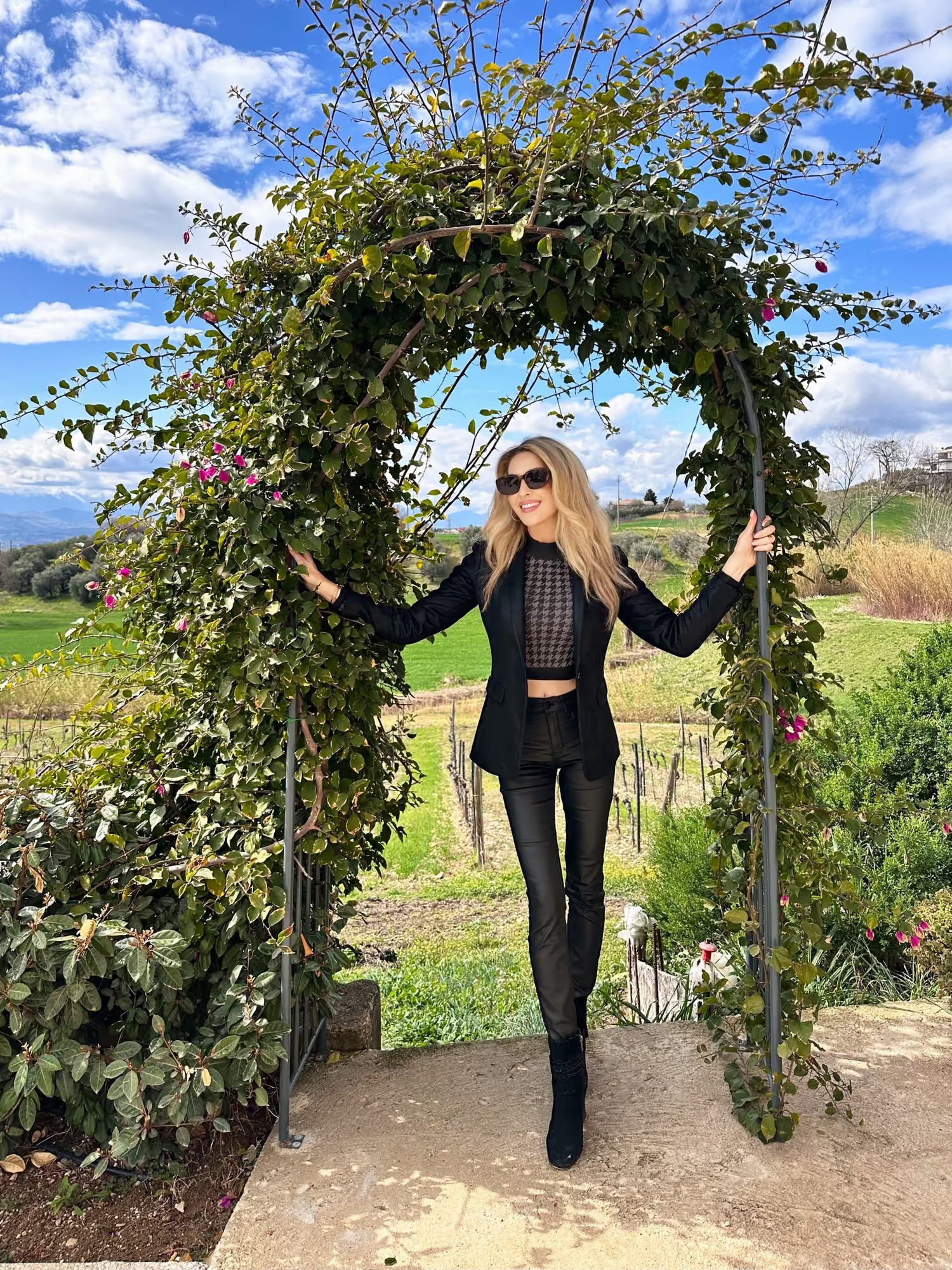
Abruzzo is one of Italy’s most overlooked wine regions, which is a big part of its magic. Medieval hill towns. Family cellars. Very few crowds.
It’s also surprisingly easy to reach. Sulmona is about 1 hour 40 minutes from Rome by car, or roughly two and a half hours by train. And once you’re here, you can go from the mountains to the beach in about 30 to 40 minutes.
The region is home to three national parks, with vineyards and olive groves filling the hills in between. Snow on the peaks, vines on the slopes, and the sea on the horizon. Sometimes all in the same view.
The Wineries
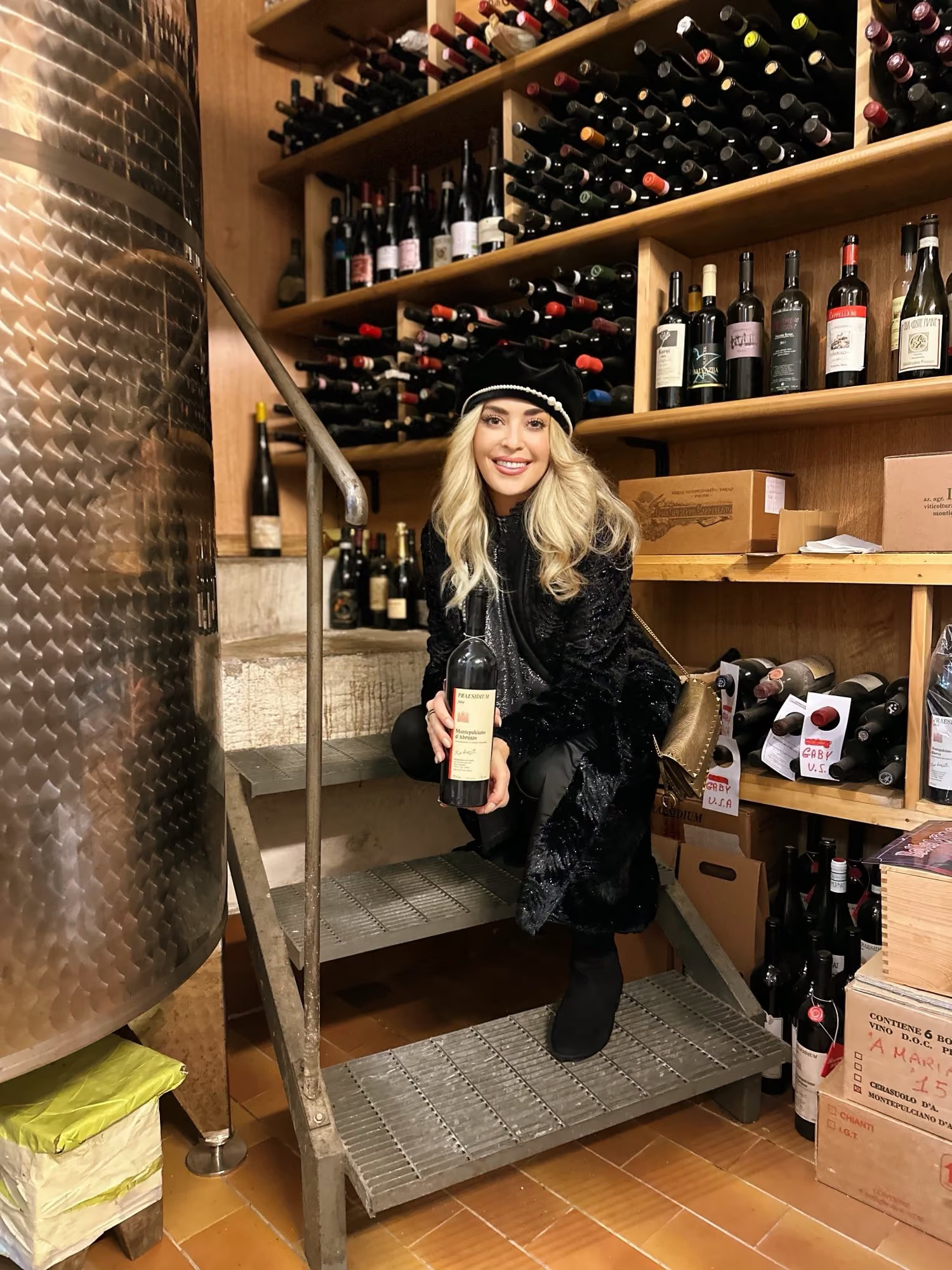
Praesidium · Prezza
High in the Valle Peligna, the valley many call the birthplace of Montepulciano, the Pasquale family farms a small estate around the hilltop village of Prezza.
The wines are traditional, sincere, and full of character: deep Montepulciano, and a Cerasuolo d’Abruzzo that wine lovers seek out by name. Don’t miss Lucì, their mountain white made from Trebbiano.
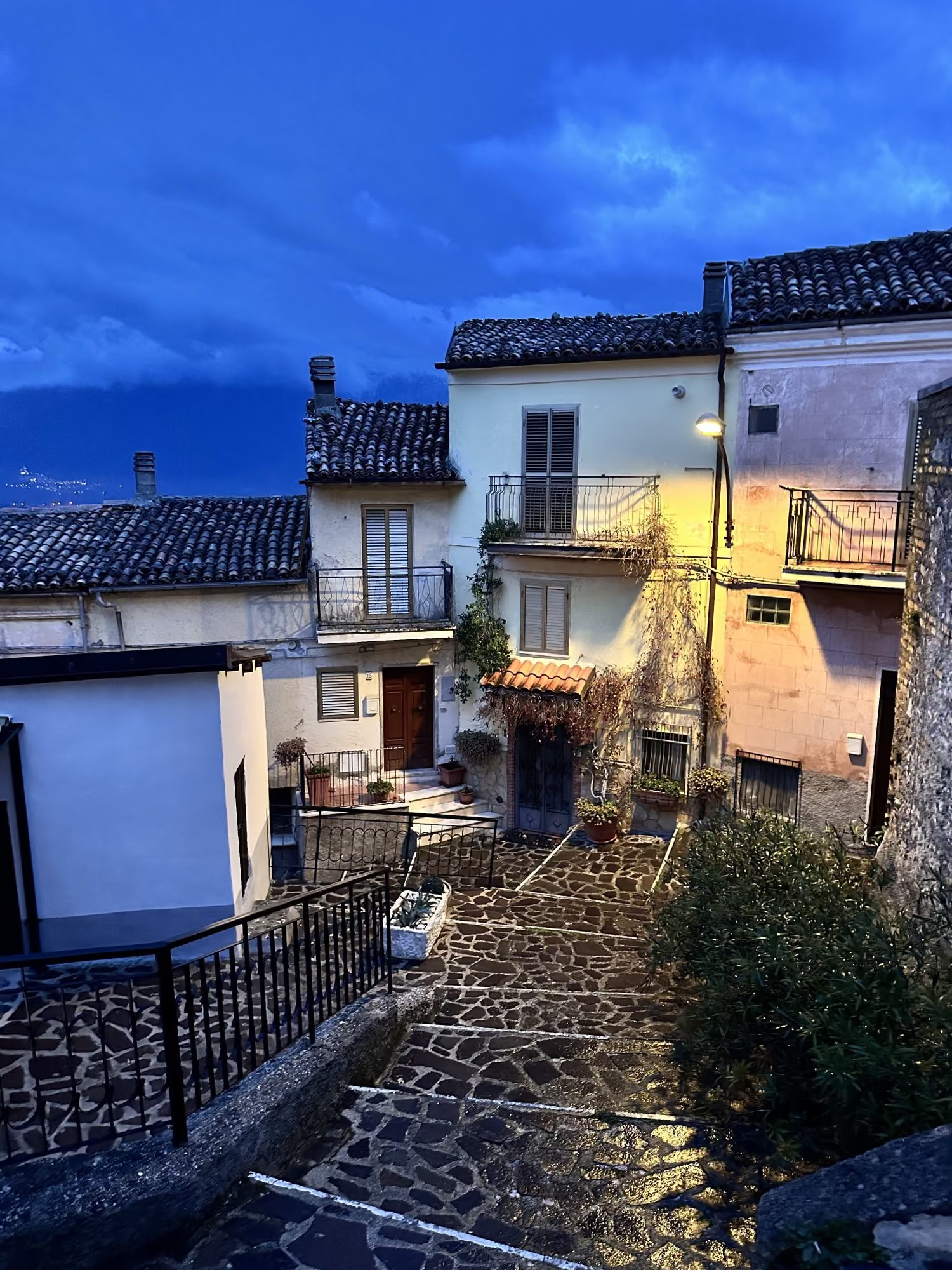
Stay for blue hour. When the valley lights come on below Prezza, you’ll understand why people fall for this place.
Sommelier tip: Discover the Cerasuolo d’Abruzzo (Montepulciano) and Lucì (Trebbiano).
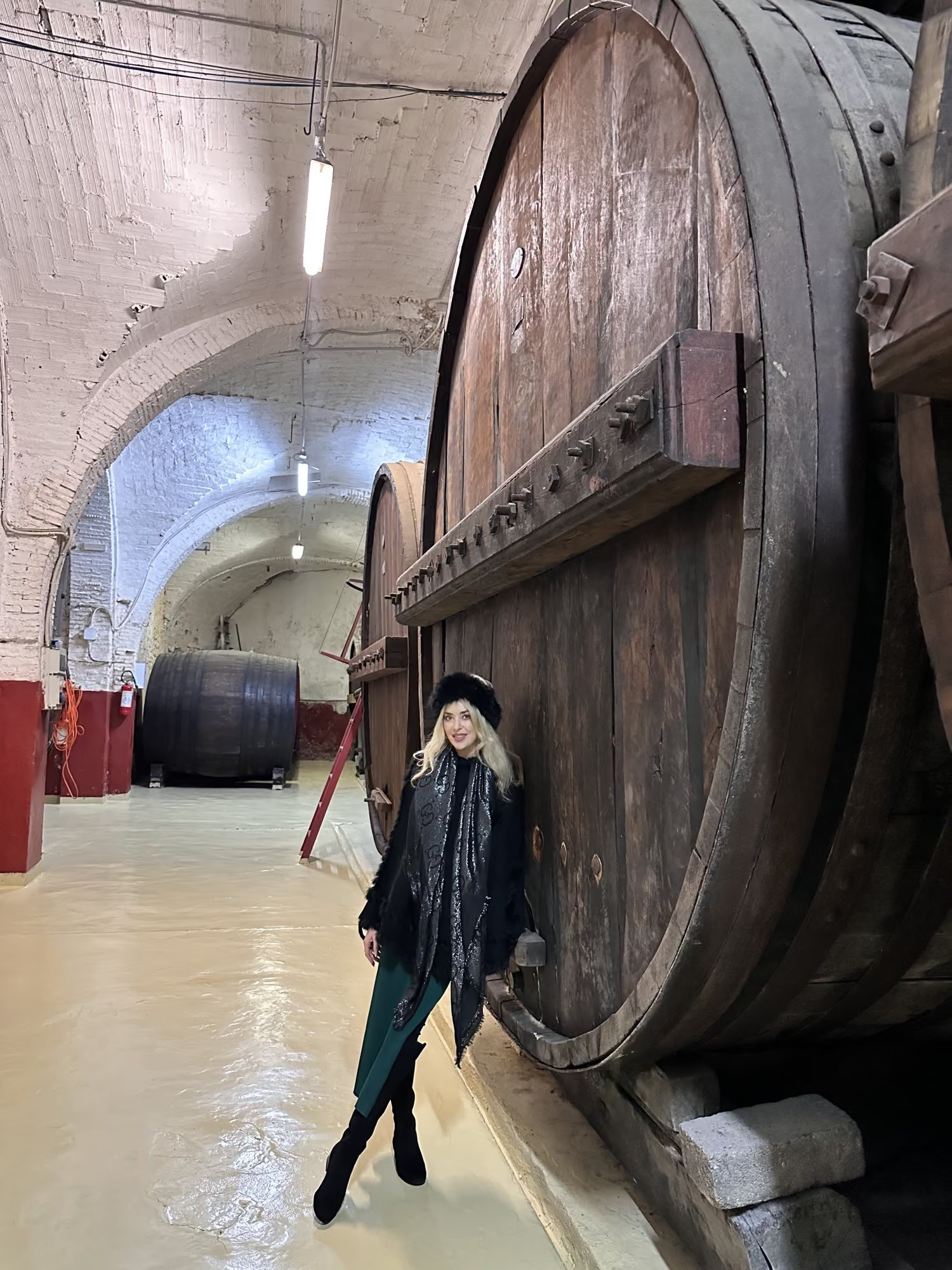
Italo Pietrantonj · Vittorito
This is Abruzzo’s oldest working winery, with family records dating to 1791 and commercial winemaking since 1830.
In 1889, Nicola Pietrantonj earned his diploma from the Royal School of Conegliano Veneto, becoming the first certified winemaker in Abruzzo. A few years later, in 1893, the family dug 14 meters beneath the medieval village of Vittorito and built two enormous vats lined entirely in Murano glass tiles. They’re still there today.
Now the estate is run by the eighth generation, sisters Roberta and Alice Pietrantonj.
Walking through the cellar, past giant wooden casks taller than a room, feels like stepping into another century.
Sommelier tip: Book a cellar tour to see the 1893 Murano glass-tiled vats, 14 meters underground.
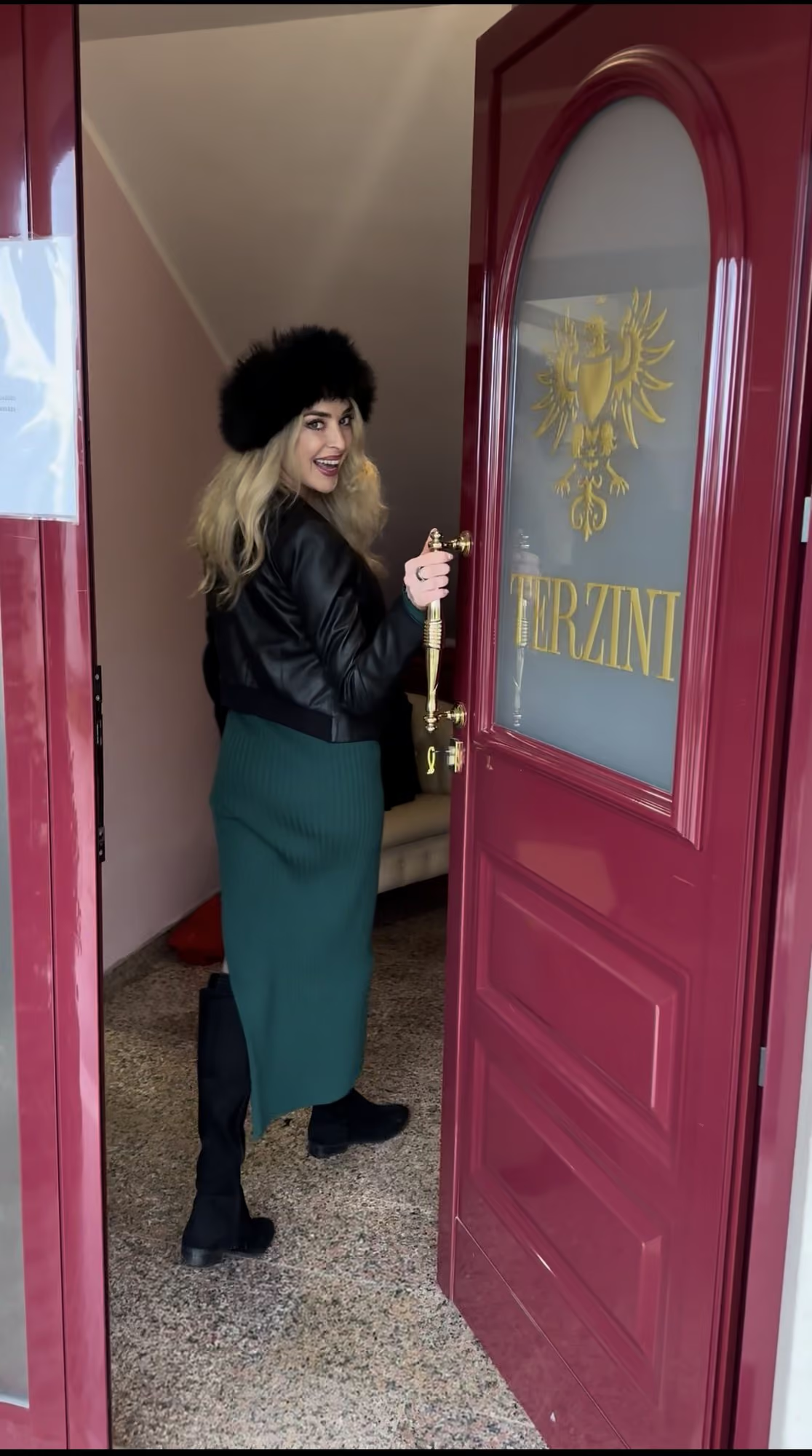
Cantina Terzini · Tocco da Casauria
Set on the slopes of the Morrone, near the Majella, Cantina Terzini is a family estate about 30 minutes from Sulmona.
The family turned generations of grape growing into a winery focused on native varieties, and the awards followed. Their Cerasuolo d’Abruzzo was named Best Rosé in Italy at the 2021 Concours Mondial de Bruxelles, and their Abruzzo Pecorino has earned Gambero Rosso’s Tre Bicchieri.
Sommelier tip: Discover the Cerasuolo d’Abruzzo (Montepulciano).
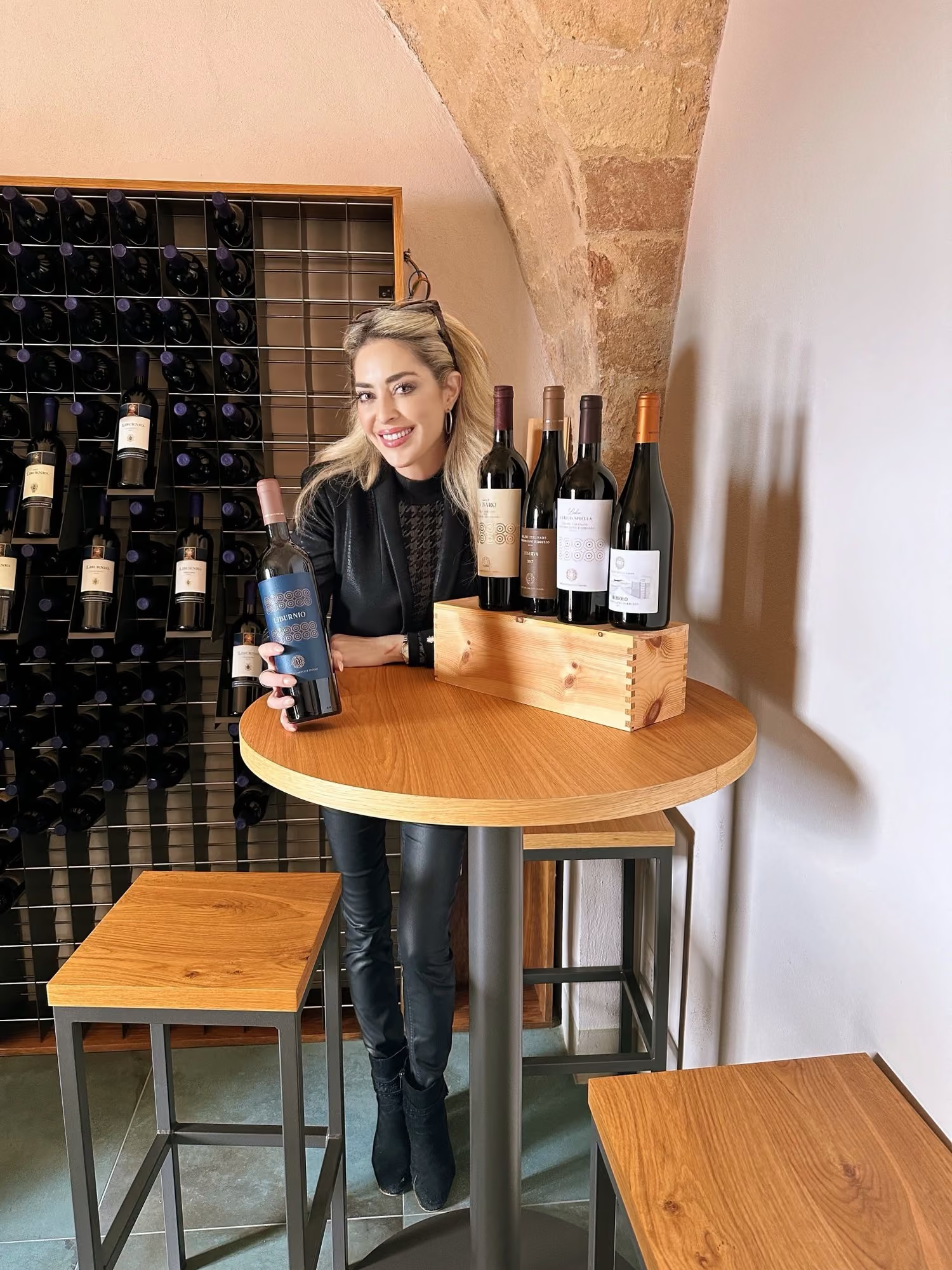
Orlandi Contucci Ponno · Roseto degli Abruzzi
Near the beach town of Roseto degli Abruzzi, the Teramo hills roll down toward the Adriatic.
From the estate’s vineyards, you look west to the snowcapped Gran Sasso. The sea is right behind you. Those overhead vines are the Abruzzo pergola, the traditional training system used across most of the region’s vineyards.
The range includes classic Colline Teramane Montepulciano, plus a few surprises.
Sommelier tip: Sample the Liburnio, a Bordeaux-style blend of Cabernet Sauvignon, Merlot, Cabernet Franc, and Petit Verdot.
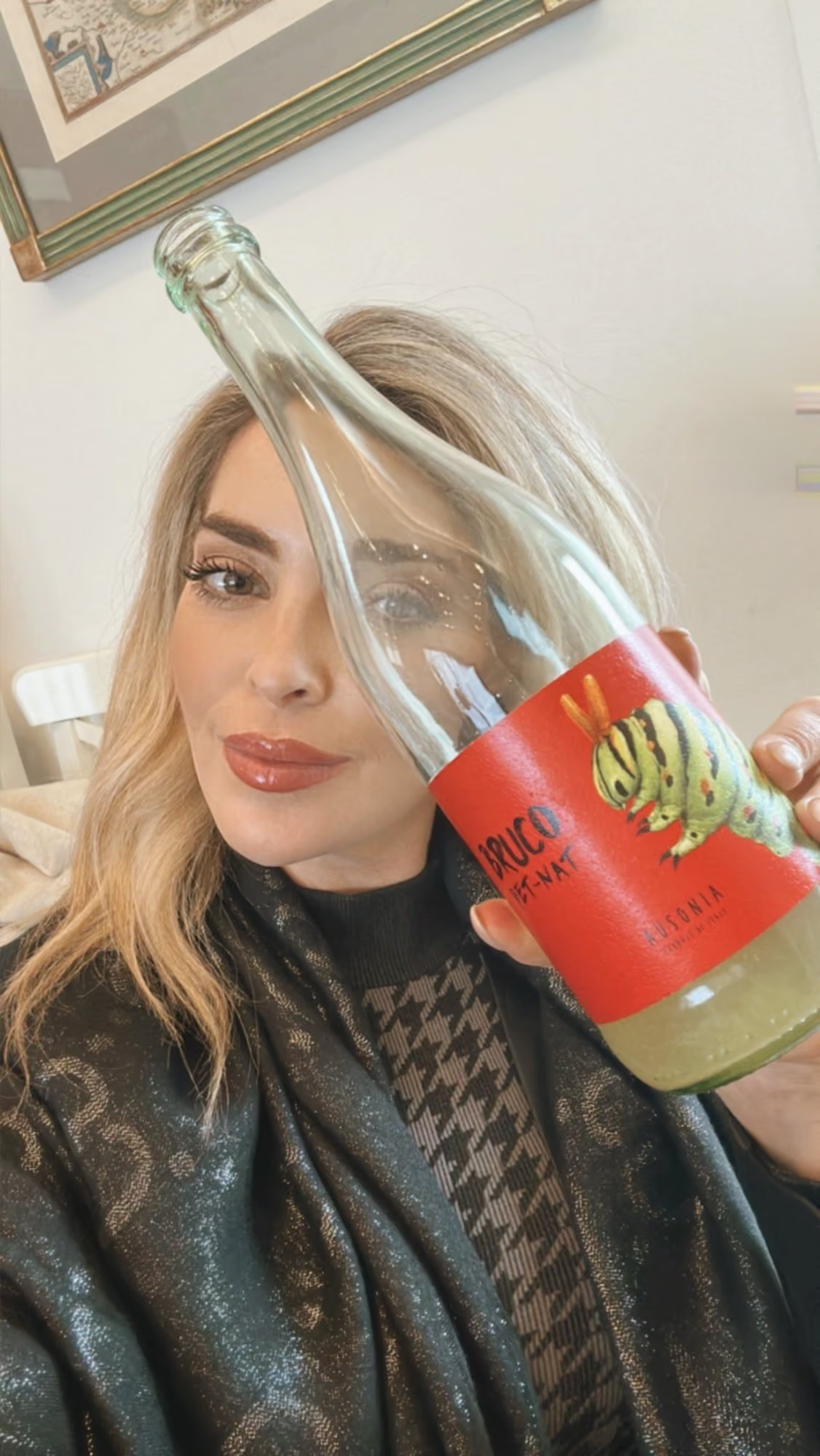
Ausonia · Atri
Founded by Simone and Francesca in 2008, Ausonia is organic, biodynamic, and wonderfully playful.
Fermentations are spontaneous, and the labels are works of art. Bruco, their Trebbiano pet-nat, means caterpillar in Italian. Their Apollo wines wear the butterfly, including a Colline Teramane DOCG Montepulciano.
Sommelier tip: Start with Bruco, then discover their Apollo red aged in amphora.
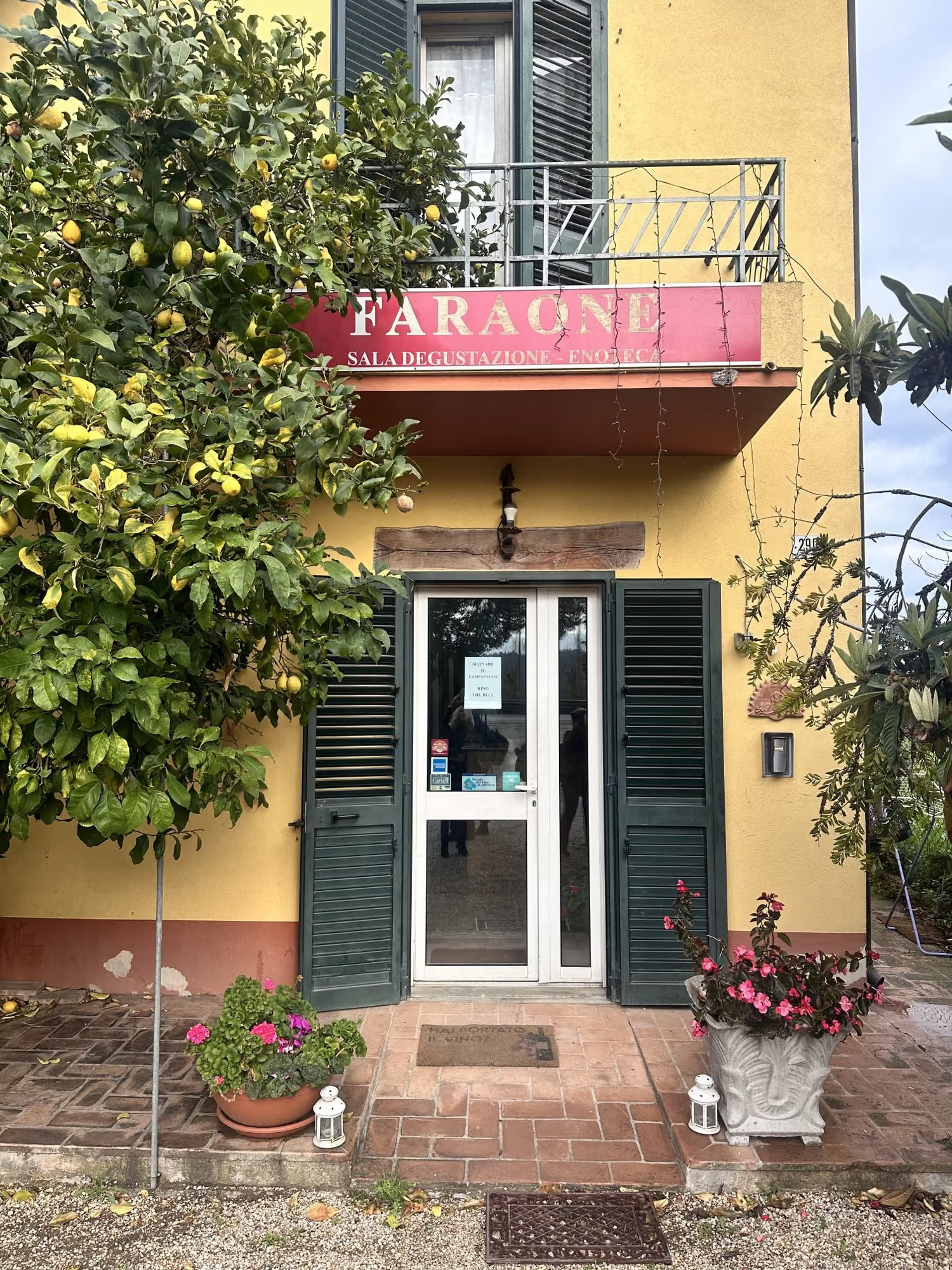
Faraone · Giulianova
Family-run since 1916 and minutes from the beach, Faraone makes Trebbiano, Pecorino, Passerina, and Montepulciano, plus traditional-method sparkling since 1983.
Their Dosaggio Zero is 100% Passerina, aged around 40 months on the lees. Their Metodo Classico Rosa is 100% Sangiovese. And their Santa Maria dell’Arco Montepulciano proves just how beautifully this grape can age.
Sommelier tip: Start with the Dosaggio Zero (100% Passerina), finish with the Santa Maria dell’Arco Montepulciano.
More Producers to Try
Emidio Pepe · Torano Nuovo
A legend of Abruzzo wine, making wine in the Teramo hills since 1899. Farmed biodynamically and aged in cement rather than oak, these are the Montepulciano and Trebbiano that collectors seek out, and some of the most age-worthy bottles in Italy.
Stefania Pepe · Torano Nuovo
Emidio’s daughter Stefania makes her own wines from her own biodynamic vineyards, also in Torano Nuovo. Natural, expressive Montepulciano and Trebbiano with a personality all their own.
Sommelier tip: Taste a Pepe Montepulciano with a few years of age, then compare it with Stefania’s. Same family, two distinct voices.
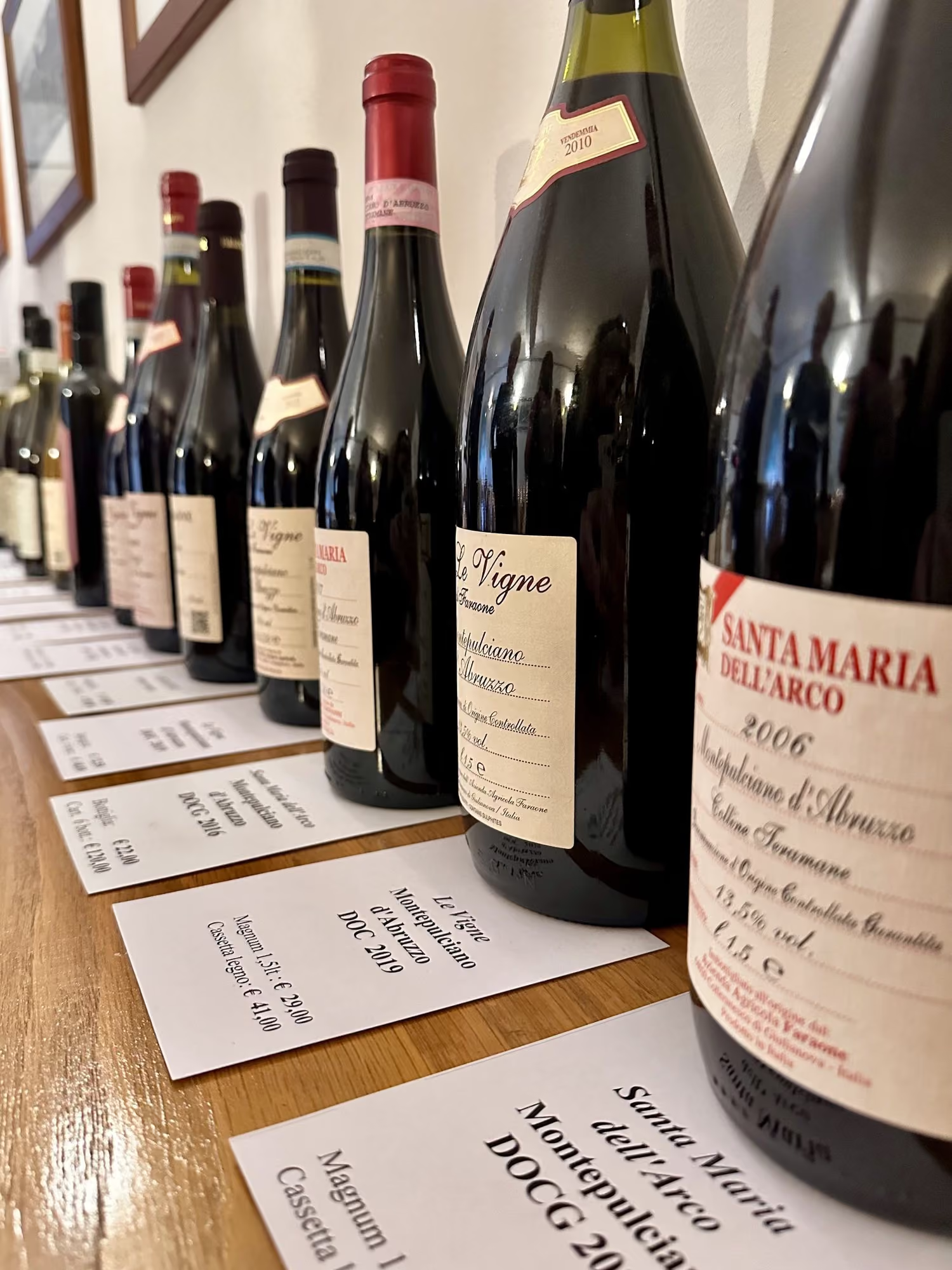
Read the Label
See “Colline Teramane DOCG” on a bottle? That’s Abruzzo’s top tier.
It became the region’s first DOCG in 2003 and requires at least 90% Montepulciano from the Teramo hills. Look for older vintages, too. Faraone’s 2006 Santa Maria dell’Arco is a great reminder of how well Montepulciano ages.
Where to Eat
Sulmona: The Town
Sulmona sits in the Valle Peligna, ringed by mountains, with a medieval center made for wandering between meals.
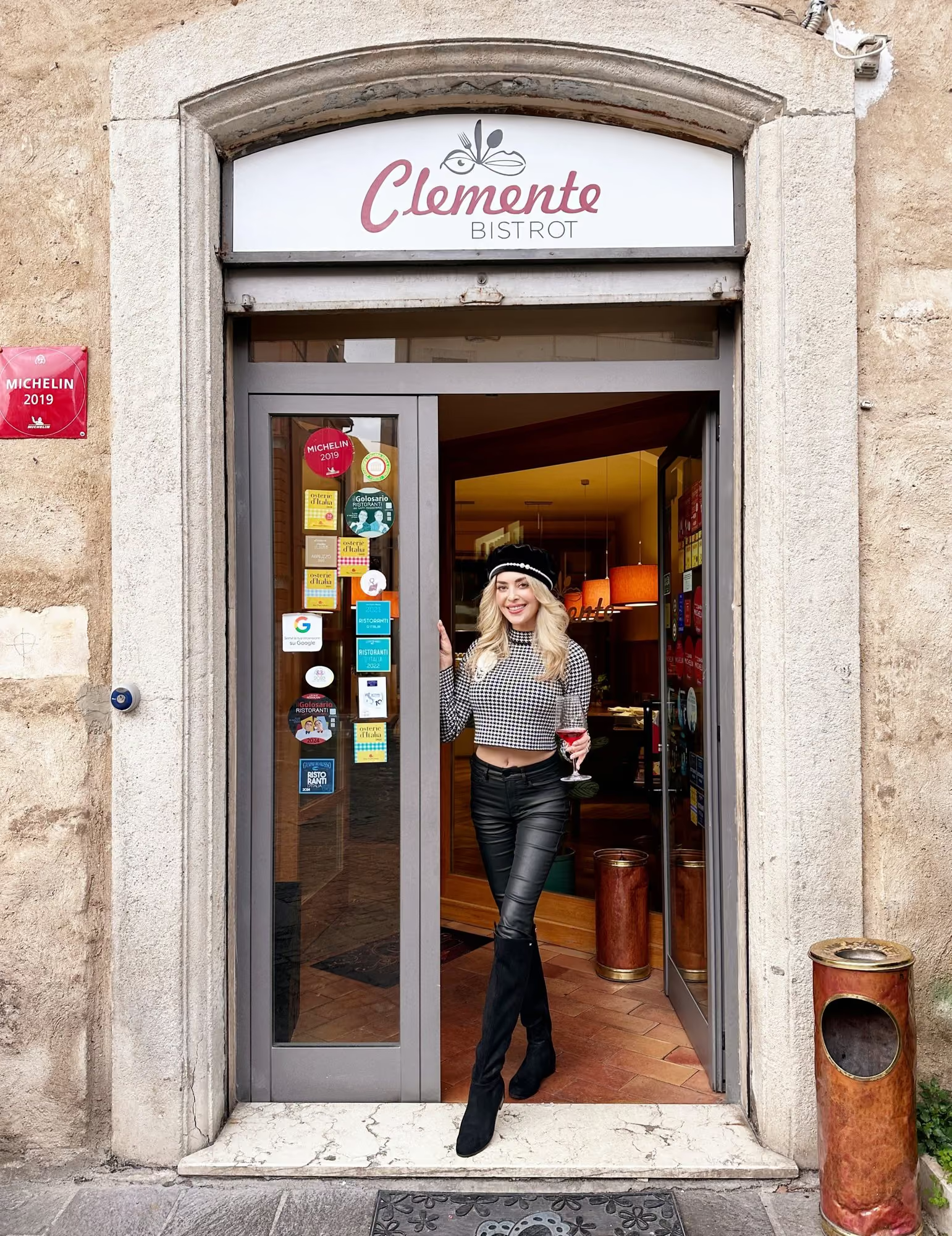
Clemente Bistrot · Sulmona
Traditional Abruzzese cooking in the heart of Sulmona, recommended by the Michelin Guide with a Bib Gourmand.
The dining room sits in the restored stables of an early 19th-century palazzo, and the menu is built on Abruzzese ingredients, including saffron from the L’Aquila area.
Sommelier tip: Order the homemade pasta alla chitarra with a glass of Cerasuolo d’Abruzzo (Montepulciano rosato).
See the Michelin Guide listing →
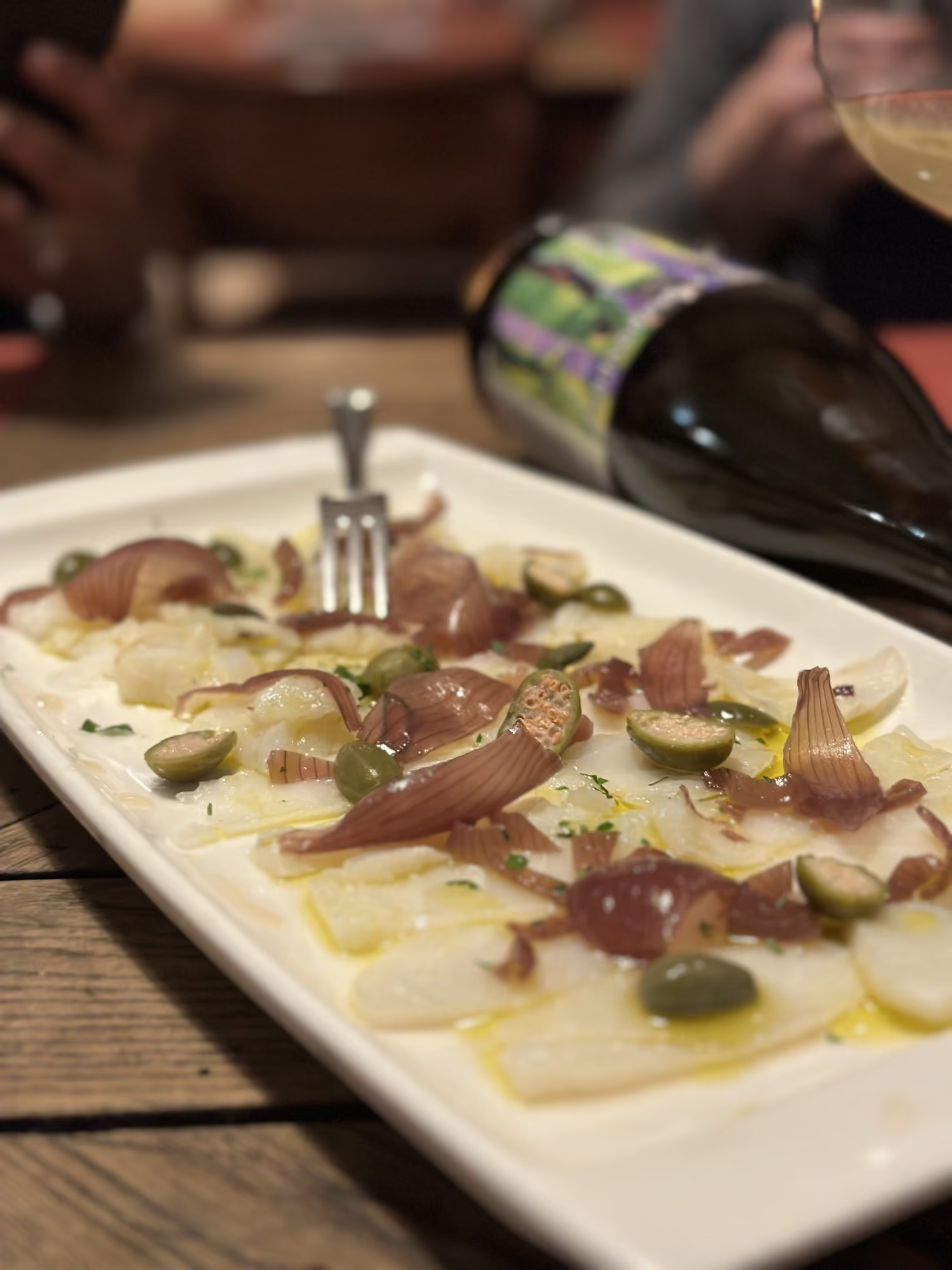
Cantina di Biffi · Sulmona
A stone-walled wine bar with an open kitchen and seasonal Abruzzese plates written on the blackboard.
Sommelier tip: Let them choose the bottle. The local wine list is the point.
Giulianova: The Coast
On the Adriatic, Giulianova has two sides: a historic old town on the hill and a long sandy seafront below, the Lungomare. Down here, dinner means fish straight from the boats.
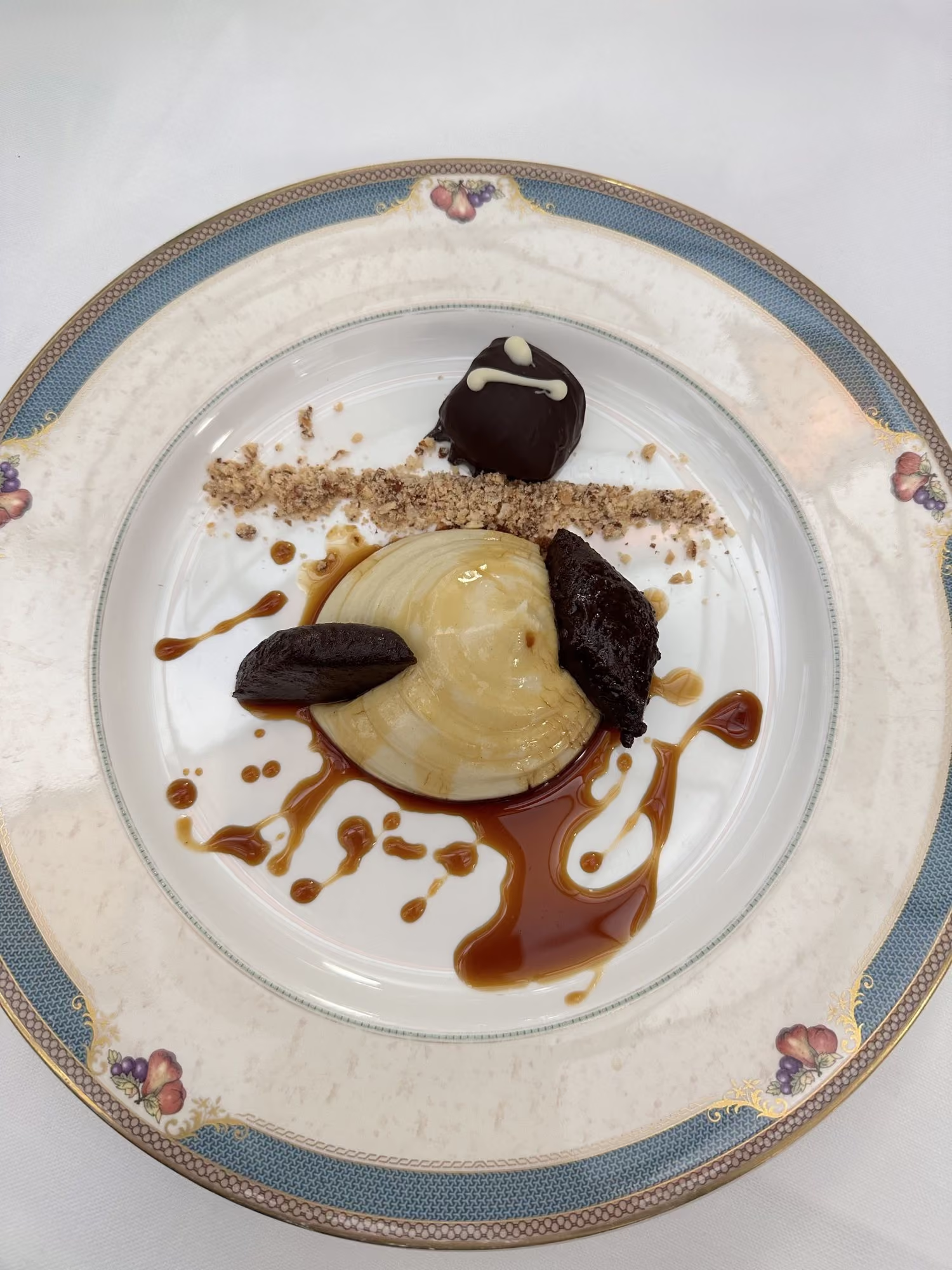
Ristorante Cristallo Giulianova
Seafront dining at Hotel Cristallo, with fish from the local boats every morning.
The menu leans into Adriatic seafood and Abruzzese classics, from fritto misto to the town’s famous brodetto alla giuliese, a traditional fish stew served in a terracotta pot. The wine list is full of regional DOC wines.
Sommelier tip: Order the brodetto alla giuliese with a Pecorino, and save room for dessert.
Novavita Beach · Giulianova
A beach-club restaurant on the Lungomare. Their motto says it all: mare, musica e vita. Sea, music, and life.
The Sommelier’s Edit
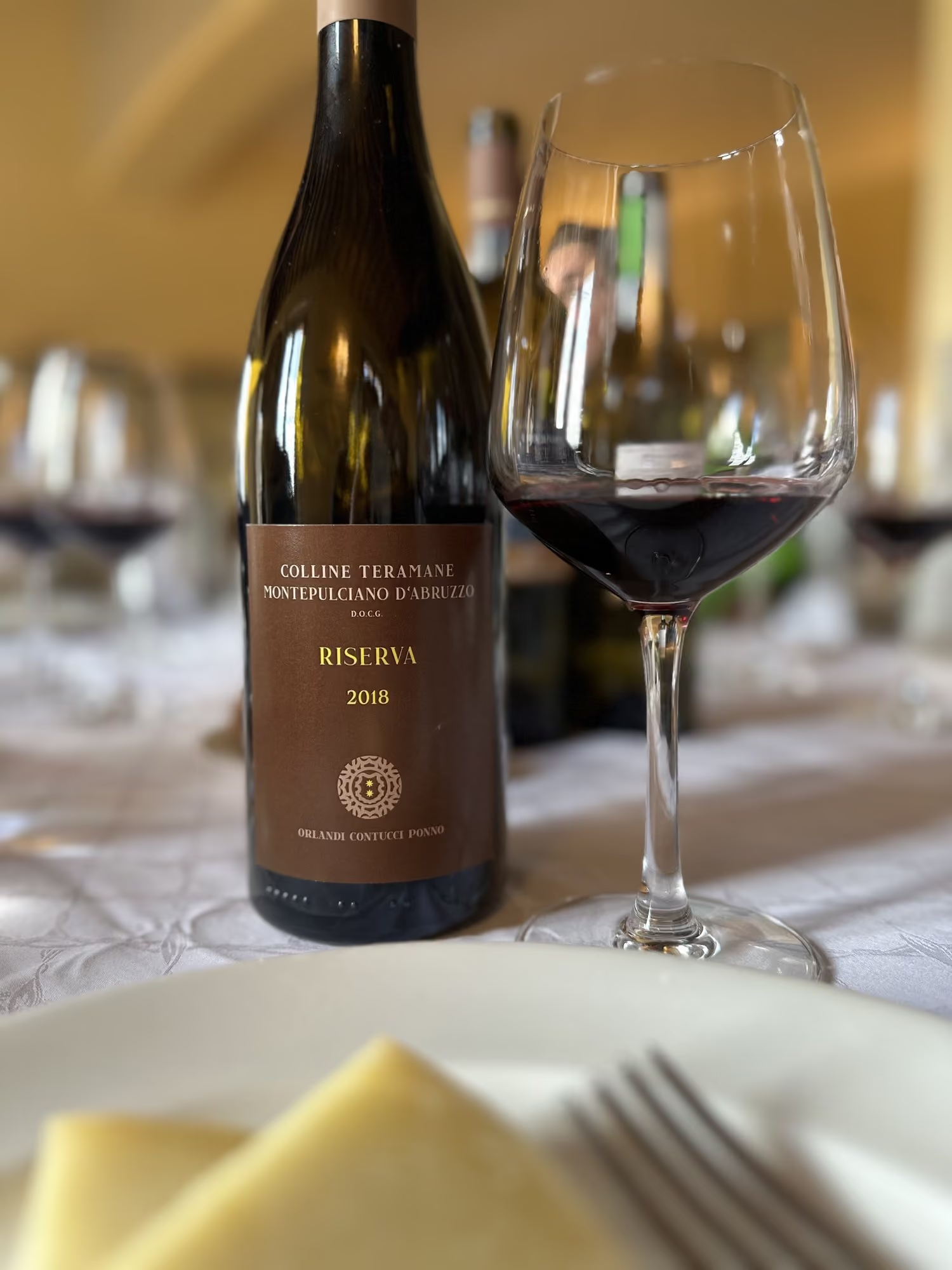
The Reds & Rosato
Montepulciano is the flagship: dark fruit, soft tannins, cherry and herbs. Pour it with arrosticini or ragù.
Cerasuolo d’Abruzzo is Montepulciano made as a deep, cherry-pink rosato. Savory, structured, and great with salumi or brodetto. Not to be confused with Sicily’s Cerasuolo di Vittoria, which is a red. Love pink wine? Here’s my guide to the best rosé wine to drink now.
Colline Teramane DOCG is Abruzzo’s first DOCG and its most tightly regulated Montepulciano.
Sangiovese plays a supporting role, allowed up to 10% in the DOCG.
The rules: Montepulciano d’Abruzzo DOC requires at least 85% Montepulciano. Riserva is aged at least 2 years, with at least 9 months in wood. Colline Teramane Riserva is aged at least 3 years, with at least 1 in wood.
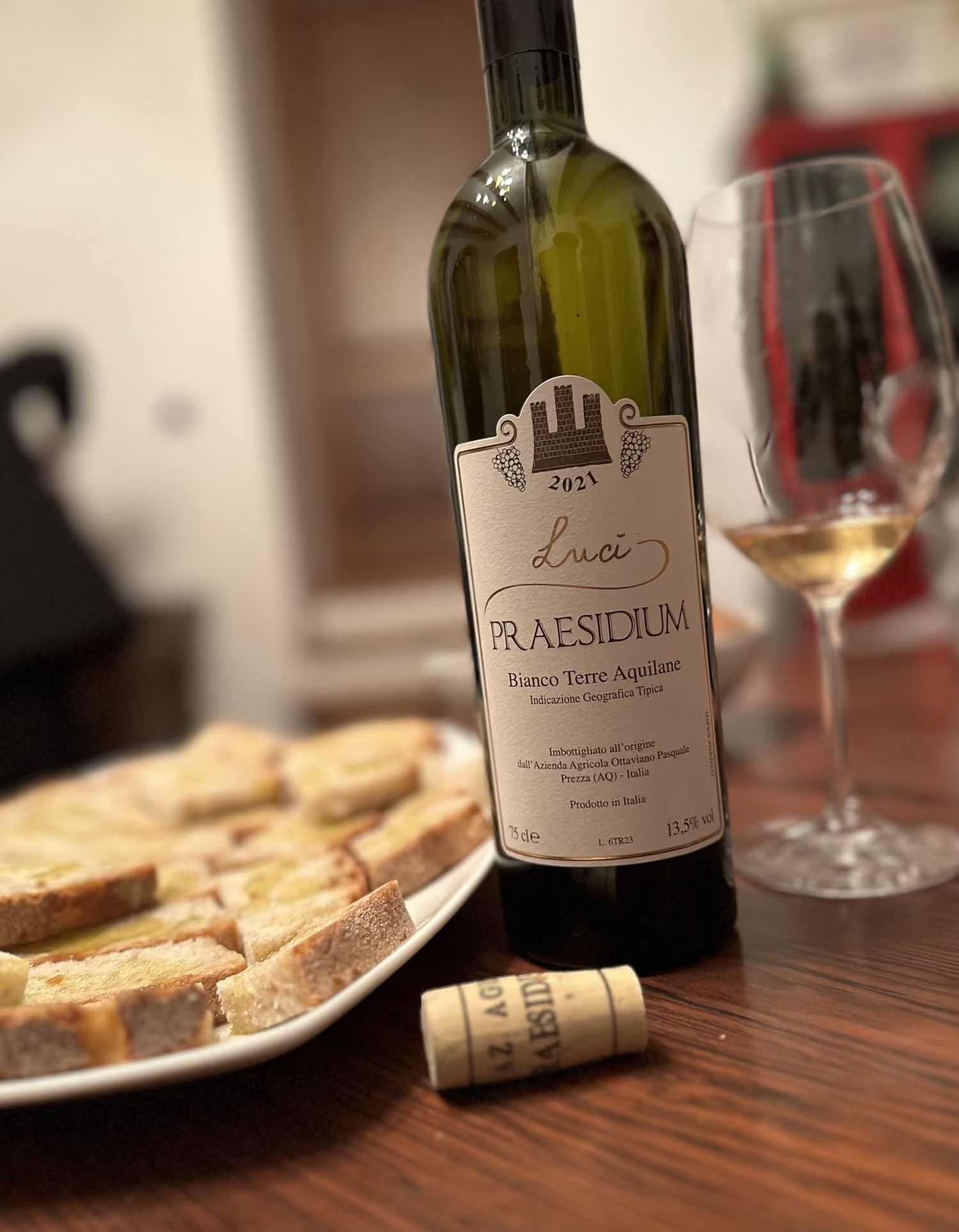
The Whites
Trebbiano d’Abruzzo is the classic: textured and able to age. Perfect with pasta alla chitarra.
Pecorino is crisp and savory with lively acidity. Not to be confused with Abruzzo’s pecorino cheese, though they make a perfect pairing.
Passerina is bright and citrusy, and also makes beautiful traditional-method sparkling.
Cococciola is a rarer native white, fresh and lemony. Made for a seaside aperitivo.
The rules: Trebbiano d’Abruzzo DOC requires at least 85% Trebbiano Abruzzese and/or Toscano, with up to 15% other non-aromatic white grapes.
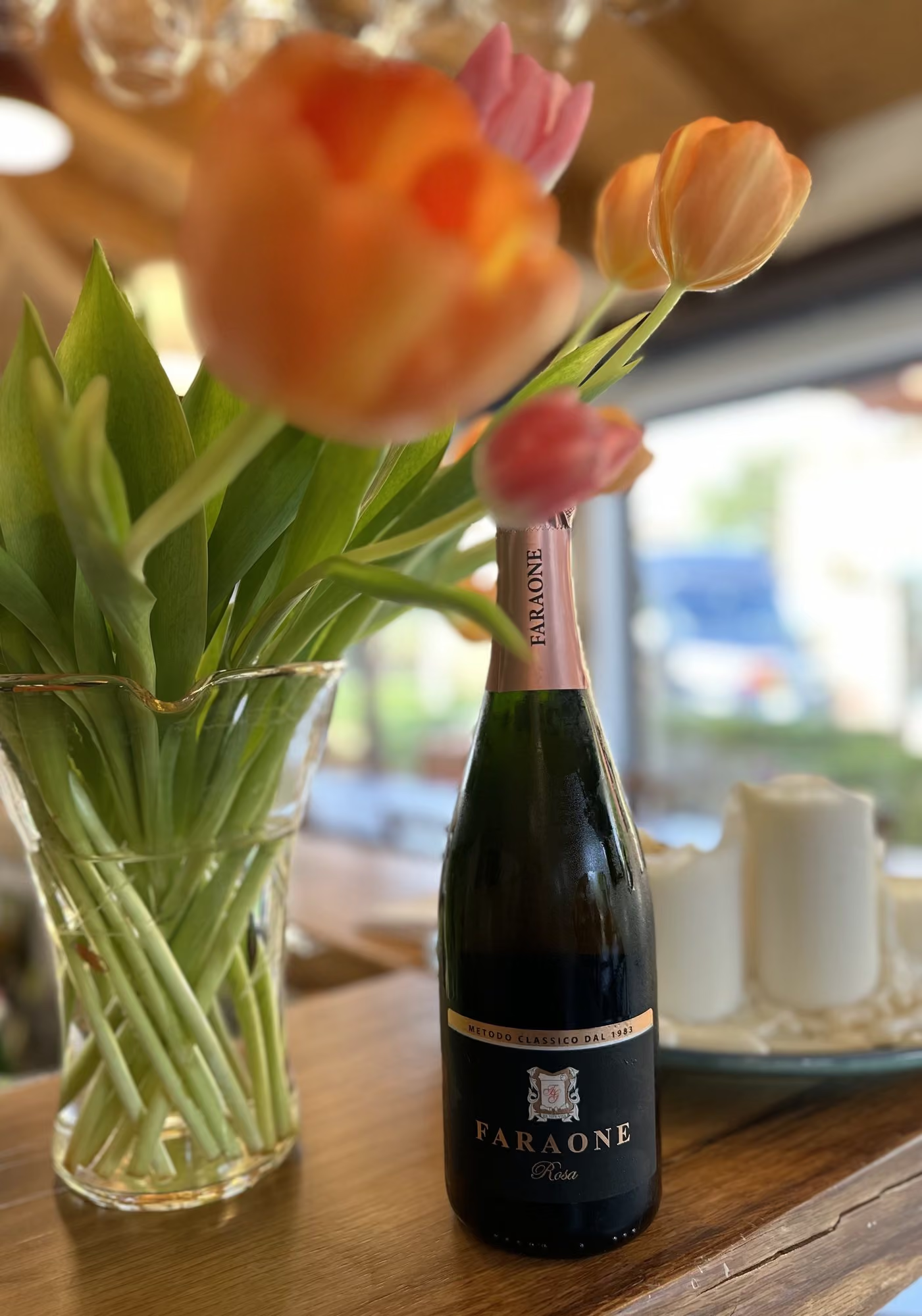
The Sparkling
Yes, Abruzzo sparkles.
Metodo Classico: second fermentation in the bottle, like Champagne. Try Faraone’s Dosaggio Zero, 100% Passerina.
Charmat: second fermentation in tank, fresh and fruity. Try Terzini’s Pecorino bubbles.
Pet-Nat: bottled mid-fermentation, hazy, rustic, and fun. Try Ausonia’s Bruco, made from Trebbiano.
Spumante Rosé: pink bubbles from Montepulciano or Sangiovese. Try Faraone Metodo Classico Rosa, 100% Sangiovese.
The rules: Abruzzo DOC Metodo Classico must age at least 18 months in bottle, 15 of them on the lees. Varietal sparkling is made from grapes like Passerina, Pecorino, and Cococciola.
Where to Stay
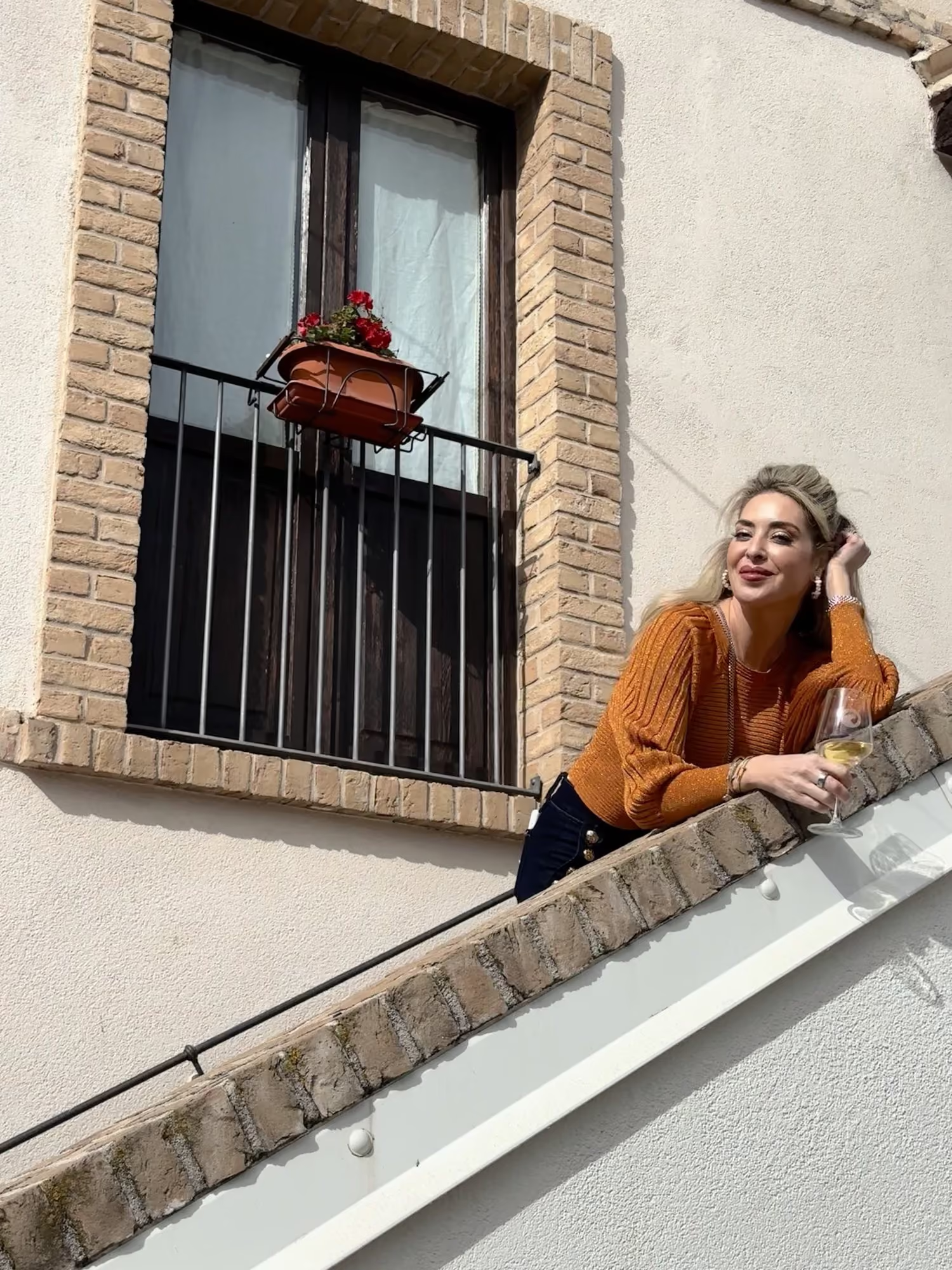
On This Trip
Hotel Rojan · Sulmona
An affordable, charming hotel in the heart of town, steps from everything.

Hotel Cristallo · Giulianova
A 4-star on the seafront, with an excellent restaurant.
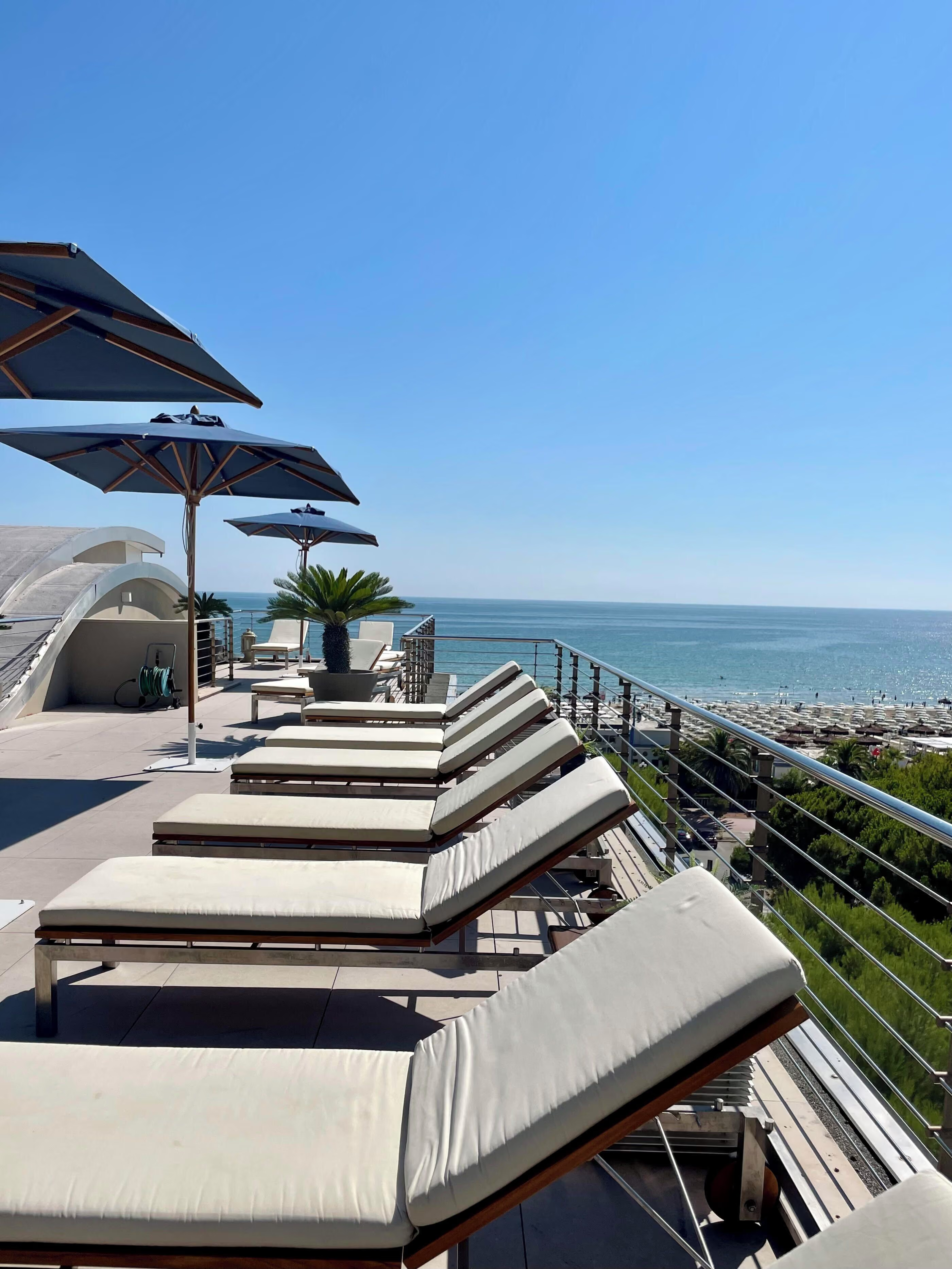
Where I’d Stay Next Trip
Sextantio Albergo Diffuso · Santo Stefano di Sessanio
Restored stone houses in a medieval mountain village.

Castello di Semivicoli · Casacanditella
A 17th-century castle on the Masciarelli wine estate.

Casadonna Reale · Castel di Sangro
A 16th-century monastery, home to Niko Romito’s three-Michelin-star Reale.
Masseria del Vino – Ciavolich Wine Relais · Loreto Aprutino
Just six rooms, set among the vineyards of the Ciavolich wine estate.

Souvenirs to Covet
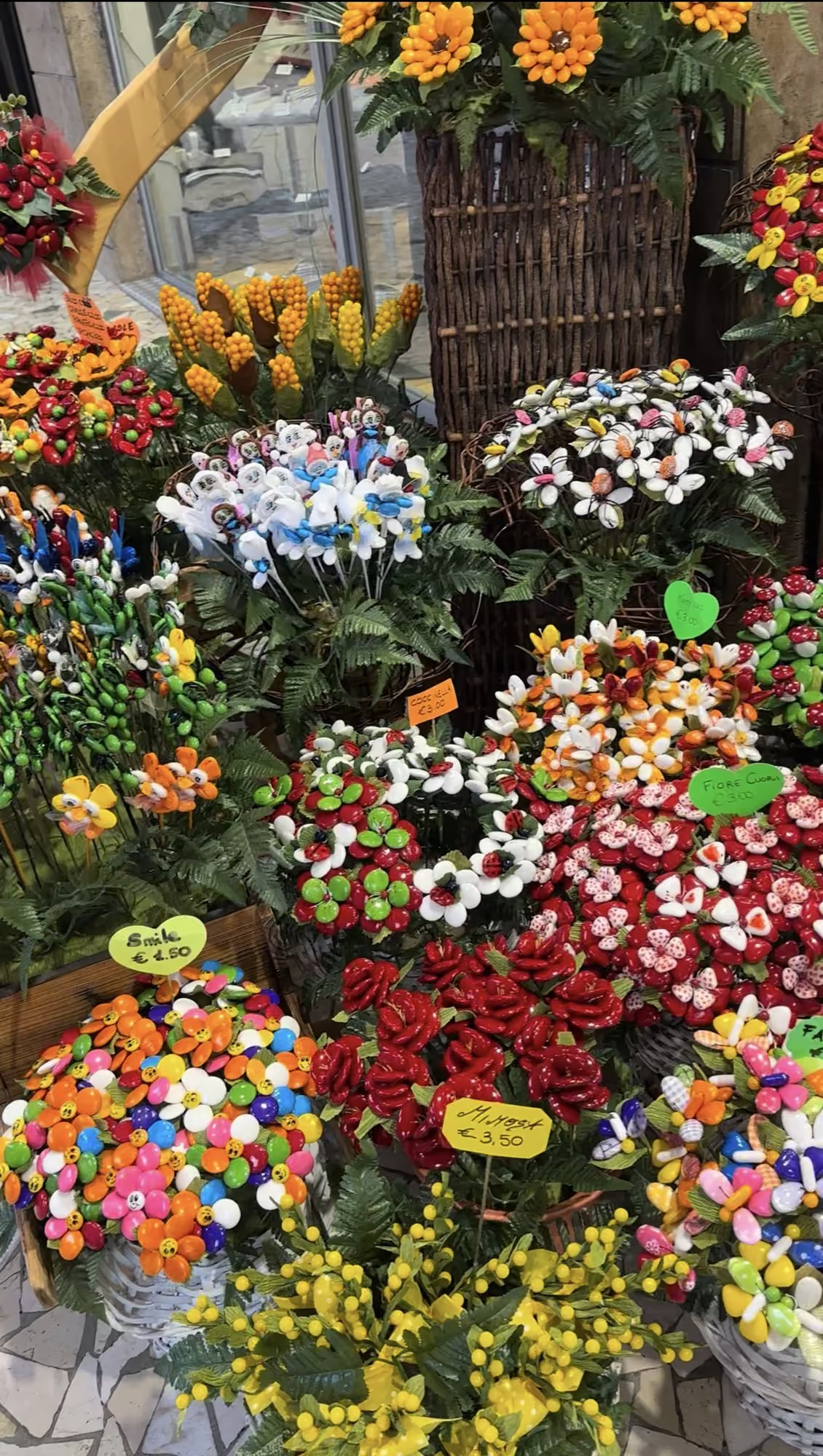
Confetti from Sulmona
Sulmona is Italy’s confetti capital.
Here, confetti doesn’t mean paper. It means sugared almonds, shaped into colorful flowers, bouquets, and baskets that fill the shop windows. The town has been making them for centuries.
Bring home a bouquet from William Di Carlo, making confetti since 1833.
Final Pour
Abruzzo isn’t trying to be Tuscany. That’s exactly why it works.
It’s mountains, vineyards, and the sea, two hours from Rome. It’s centuries-old cellars, family tables, and wines that over-deliver every single time.
Go before everyone else figures it out.
Salute, Abruzzo.
Cheers,
Maria The Wine Blonde 🍷
Follow along on Instagram @mariathewineblonde
The Art of Luxury Letter
Wine, travel, style, and curated experiences delivered to your inbox.
Be the first to know about upcoming experiences.
© Maria Valetta/Maria The Wine Blonde — full glass, high class, lots of sass
Chicago | 2026